TRIAD DENTISTRY (Providing exceptional smiles with comprehensive dental care for adult patients). CLICK HERE


At What Age Do Children Start Losing Their Baby Teeth?

For many parents, the milestone of a child losing their first baby tooth marks an exciting stage of growth. It’s often accompanied by questions like, “Is my child losing teeth too early?” or “Should I be concerned if they haven’t lost any teeth yet?” Understanding when children typically begin shedding their baby teeth and what to expect throughout the process can help parents support healthy dental development with confidence.
If you’re searching for a kids dentist to guide you through these important stages, knowing the basics about baby teeth loss is the first step in staying informed and prepared.
The Typical Timeline for Losing Baby Teeth
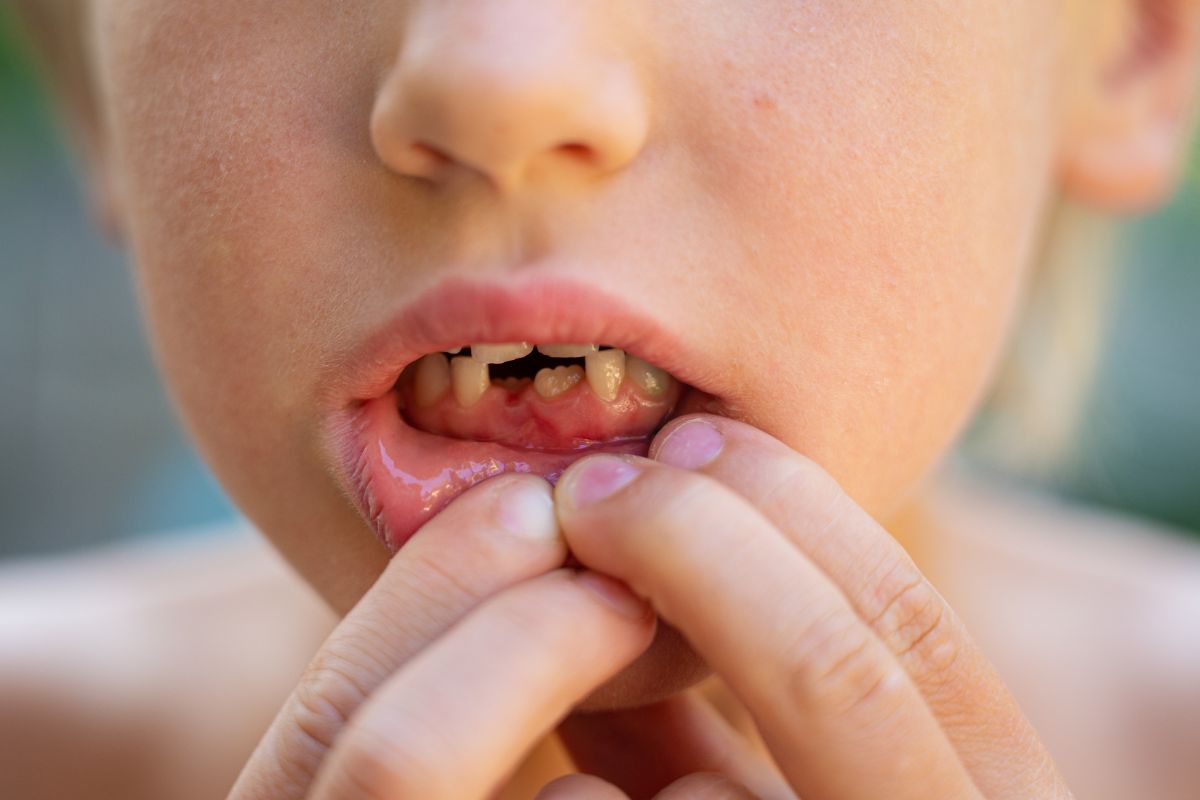
Most children start losing their baby teeth, also called primary teeth, around the age of 6 years old. The process usually continues until around 12 years of age, when most permanent teeth have erupted. While this is the general timeline, every child is unique, and some may lose their first tooth a little earlier or later.
-
Early Losers: Some children may start as early as age 4 or 5, which is often still considered normal, especially if their baby teeth erupted early.
-
Later Losers: Others may not lose their first tooth until age 7 or 8, which can also be within the healthy range.
Because developmental timing varies, our kids’ dentist in Greensboro can help reassure parents if they’re uncertain about whether their child’s timeline is typical.
Which Teeth Fall Out First?
The first teeth to fall out are usually the lower central incisors (the two front bottom teeth), followed closely by the upper central incisors (the two front top teeth). From there, teeth generally fall out in the order they came in:
-
Lower front teeth (central incisors)
-
Upper front teeth (central incisors)
-
Lateral incisors (next to the front teeth)
-
First molars
-
Canines
-
Second molars
By the age of 12 or 13, most children will have a full set of permanent teeth, except for the wisdom teeth that typically appear much later.
What Parents Should Expect During This Process
The process of losing baby teeth is usually straightforward, but it can raise questions for parents. Here are a few important things to keep in mind:
-
Mild Wiggling Is Normal: When permanent teeth push against the roots of baby teeth, the roots dissolve, causing the tooth to become loose and eventually fall out.
-
A Bit of Blood Is Okay: It’s common to see a small amount of bleeding when a tooth finally comes out.
-
Pain Is Rare: Losing teeth is usually not painful, but children may experience mild gum sensitivity.
-
Spacing May Look Uneven: Gaps between teeth are common and normal, making room for larger adult teeth to come in.
If a tooth seems loose but isn’t ready to fall out, parents should avoid pulling it prematurely. Allowing teeth to fall out naturally helps protect the gums and surrounding areas.
What If Baby Teeth Don’t Fall Out on Schedule?
It’s natural to worry if your child hasn’t lost teeth by the “average” age. However, variations are common. In some cases, delayed tooth loss may be linked to factors such as:
-
Late eruption of baby teeth in infancy
-
Genetics (family history of delayed tooth loss)
-
Issues with crowding or alignment
-
Occasionally, underlying dental conditions
If you’re concerned about timing, consulting a kids dentist in Greensboro can provide clarity. Early evaluation helps rule out any concerns and ensures that your child’s smile develops properly.
Helping Children Through the Transition
Parents can support their child during this stage with a few simple practices:
-
Encourage Good Oral Hygiene: Brushing twice a day and flossing around loose teeth helps prevent decay and infection.
-
Offer Soft Foods if Needed: Slight gum tenderness is normal, so soft foods can make eating easier.
-
Celebrate the Milestone: Losing a tooth is a big deal for kids—positive reinforcement helps them feel proud.
-
Monitor for Issues: Keep an eye on any unusual swelling, pain, or discoloration and seek advice from a dentist if needed.
This period is an opportunity to build healthy dental habits that last a lifetime, and a supportive dental team can make the journey easier for both kids and parents.
The Role of a Kids Dentist
A pediatric dentist has specialized training to make dental visits comfortable, educational, and stress-free for children. They understand how to track growth and development while addressing any issues early. More importantly, they know how to connect with children in a way that helps build trust and positive attitudes toward oral health.
Families often find reassurance in knowing that their child’s dental care is in the hands of professionals who prioritize both health and comfort. Whether it’s the first loose tooth or concerns about late tooth loss, expert guidance makes all the difference.
Final Thoughts
Most children begin losing their baby teeth around age 6, but the process can start earlier or later and still be perfectly normal. From the first wiggly tooth to a full set of permanent teeth, this transition is an exciting part of growing up. A trusted kids dentist in Greensboro can provide the reassurance, guidance, and high-quality care families need during this stage.
At our dental clinic in Greensboro, we’re committed to helping every child feel comfortable, confident, and supported throughout their dental journey—schedule an appointment with us today.