TRIAD DENTISTRY (Providing exceptional smiles with comprehensive dental care for adult patients). CLICK HERE


The Impact of Misaligned Teeth on Overall Health

Many people think of crooked or crowded teeth as only a cosmetic concern. However, the alignment of teeth plays a much bigger role in overall health than most people realize. When teeth are not properly aligned, they can affect how a person eats, speaks, breathes, and maintains daily dental care.
For children, these concerns can develop early and sometimes continue into adulthood if not monitored carefully. Understanding how misaligned teeth influence oral and general health helps parents make informed decisions about their child’s well-being. A trusted pediatric dentist can help identify early signs and guide families toward healthier oral habits that support long-term development.
What Are Misaligned Teeth?
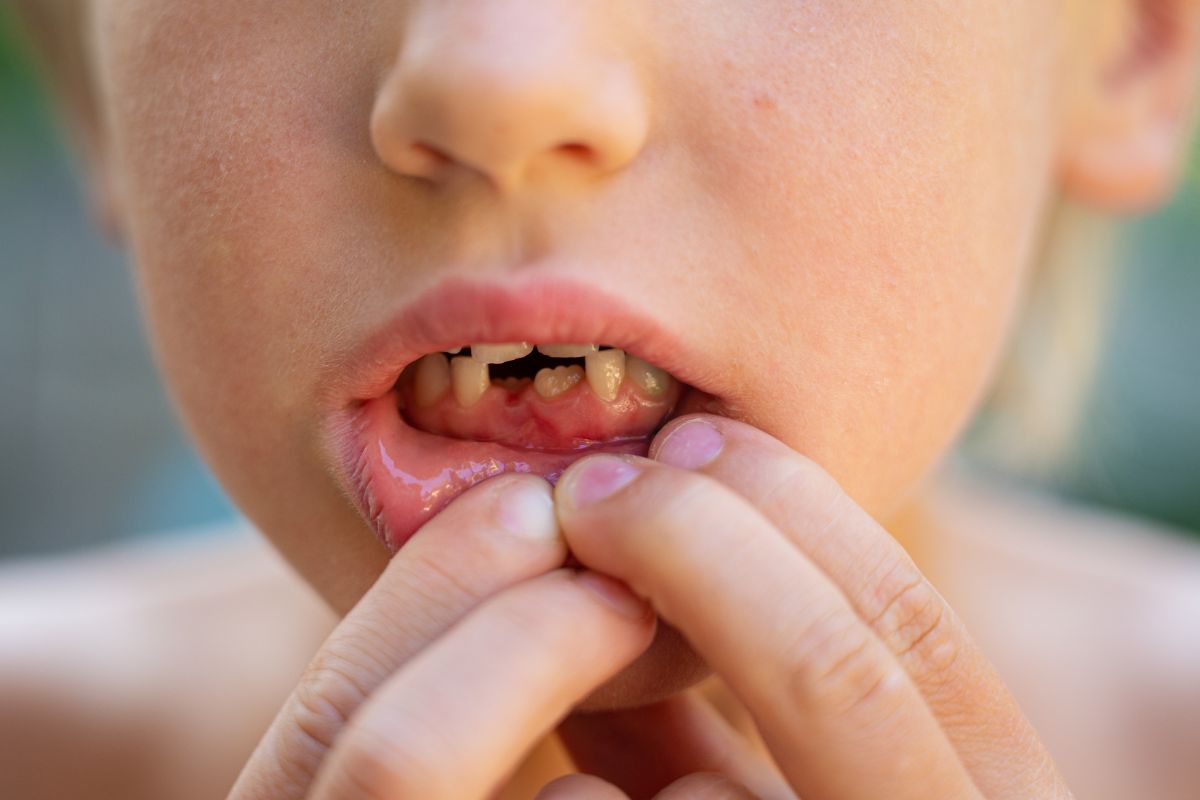
Misaligned teeth, also known as malocclusion, occur when teeth do not fit together properly when the mouth is closed. This may involve crowding, gaps between teeth, overbites, underbites, or teeth that grow at unusual angles.
Children may develop misalignment due to several factors, including:
-
Genetics
-
Thumb sucking or prolonged pacifier use
-
Early loss of baby teeth
-
Jaw development differences
While mild cases may not cause major problems, more significant alignment issues can influence multiple aspects of health over time.
How Misaligned Teeth Affect Oral Health
Difficulty Maintaining Proper Dental Hygiene
One of the most immediate challenges with crooked or crowded teeth is maintaining effective dental care. When teeth overlap or sit too close together, it becomes harder for toothbrush bristles and floss to reach every surface.
This can lead to:
-
Plaque buildup
-
Tooth decay
-
Gum irritation or inflammation
Children with crowded teeth may struggle to clean certain areas properly, which is why regular monitoring by a pediatric dentist is important for maintaining healthy gums and teeth.
Increased Risk of Cavities and Gum Problems
Food particles and bacteria tend to accumulate more easily between misaligned teeth. Over time, this buildup can increase the risk of cavities and gum disease.
Healthy alignment helps teeth support each other and enables more effective cleaning during daily brushing and flossing.
The Connection Between Misaligned Teeth and Digestion
Improper Chewing
Teeth play a critical role in breaking down food before it reaches the digestive system. When teeth are misaligned, chewing may not be as efficient.
Children with bite problems may:
-
Favor one side of the mouth while chewing
-
Avoid certain foods that are harder to chew
-
Swallow larger food pieces
These habits can place extra strain on the digestive system and may lead to discomfort or nutritional challenges over time.
A pediatric dentist in Greensboro can evaluate how a child’s bite affects their ability to chew properly and support healthy development.
Jaw Strain and Facial Discomfort
Misaligned teeth can also influence how the jaw functions. When the bite is uneven, certain muscles and joints must work harder to compensate.
Stress on the Jaw Joint
The jaw joint, also known as the temporomandibular joint (TMJ), helps control movements like chewing and speaking. When teeth do not fit together properly, the joint may experience unnecessary pressure.
This can sometimes contribute to:
-
Jaw soreness
-
Headaches
-
Facial tension
For growing children, early monitoring by a pediatric dentist helps ensure that the jaw and teeth develop in harmony.
Speech Development and Misaligned Teeth
Teeth play an important role in forming certain speech sounds. When teeth are misaligned, children may have difficulty pronouncing specific letters clearly.
For example, teeth alignment affects sounds like:
-
“S”
-
“F”
-
“Th”
While speech patterns can improve naturally as children grow, persistent difficulties may be related to tooth position or bite.
Recognizing these signs early allows parents to seek guidance from a pediatric dentist in Greensboro who can assess how dental alignment may be affecting speech development.
Emotional and Social Confidence
Although health is the primary concern, misaligned teeth can also affect a child’s confidence as they grow older.
Children who feel self-conscious about their smiles may:
-
Avoid smiling in photos
-
Feel uncomfortable speaking in social settings
-
Experience lower self-confidence
Supporting healthy oral development not only benefits physical health but can also help children feel more confident about their smiles.
Why Early Monitoring Matters
Children’s mouths change rapidly as they grow. Baby teeth fall out, permanent teeth appear, and the jaw continues to develop throughout childhood and adolescence.
Regular visits with a pediatric dentist help ensure that any alignment concerns are noticed early. Early awareness allows families to understand how these changes may affect their child’s oral health, comfort, and long-term development.
Protect Your Child’s Health with Guidance from Triad Pediatric Dentistry
A healthy smile plays a significant role in a child’s overall well-being. From chewing and speaking to maintaining proper dental care, tooth alignment can influence many aspects of daily life. Understanding the potential impact of misaligned teeth allows parents to take proactive steps that support both oral and overall health.
At Triad Pediatric Dentistry, our dental clinic is dedicated to helping children develop strong, healthy smiles through attentive care and expert guidance. If you have questions about your child’s dental development or want support from a trusted pediatric dentist in Greensboro, our team is here to help. Schedule an appointment today and let us support your child’s healthy smile and long-term confidence.