TRIAD DENTISTRY (Providing exceptional smiles with comprehensive dental care for adult patients). CLICK HERE


What Should I Use to Clean My Baby’s Teeth?

Good oral hygiene starts long before your child’s first dental appointment. Caring for your baby’s teeth from the moment they appear lays the foundation for a lifetime of healthy smiles. Many parents wonder what tools and techniques are best for cleaning an infant’s teeth safely and effectively. Consulting a professional kids dentist can guide you, but understanding the basics at home is the first step in establishing a healthy routine.
Why Early Dental Care Matters
Even though baby teeth are temporary, they play an essential role in your child’s oral health. They help with chewing, speaking, and maintaining space for permanent teeth. Neglecting early dental care can lead to cavities, gum problems, and even issues with jaw development. Our kids’ dentist in Greensboro emphasizes the importance of starting proper oral care as soon as the first tooth appears, usually around 6 months of age.
Recommended Tools for Cleaning Baby Teeth
Caring for your baby’s teeth requires gentle, age-appropriate tools. Here are the essentials:
1. Soft-Bristled Infant Toothbrush
Once the first tooth appears, a soft-bristle toothbrush designed for infants is the best tool. These brushes have small heads and gentle bristles that clean teeth effectively without damaging delicate gums. Using a baby toothbrush twice daily—morning and night—establishes good habits early.
2. Fluoride Toothpaste (Tiny Amounts)
For babies under 2 years, a smear or grain-of-rice-sized amount of fluoride toothpaste is sufficient. Fluoride strengthens tooth enamel and helps prevent cavities. Make sure to use toothpaste formulated for infants and supervise brushing to avoid swallowing.
3. Gauze or Soft Cloth
Before teeth appear, you can clean your baby’s gums with a clean, damp gauze pad or soft cloth. Gently rub the gums after feedings to remove bacteria and prevent plaque buildup. This practice helps your baby get used to oral care routines before toothbrushes come into play.
4. Finger Toothbrushes
Finger toothbrushes are soft, silicone brushes that fit over your finger. They are ideal for babies who resist traditional brushes and allow parents to have more control while cleaning delicate teeth and gums.
How to Brush Your Baby’s Teeth
Proper technique is as important as the tools you use:
-
Sit comfortably with your baby in your lap, supporting their head.
-
Use gentle, circular motions to brush all tooth surfaces, including the front, back, and chewing surfaces.
-
Focus on the gum line, where plaque tends to accumulate.
-
Brush for about 2 minutes, twice a day.
Additional Tips for Healthy Baby Teeth
1. Avoid Sugary Drinks
Sugary beverages, including juice and sweetened milk, increase the risk of cavities. Encourage plain water between feedings to rinse away residual sugar and bacteria.
2. Limit Bottles at Bedtime
Giving a baby a bottle of milk or juice at bedtime can expose teeth to sugar for prolonged periods. If your baby needs comfort, offer water instead.
3. Introduce Healthy Snacks
Fruits, vegetables, and other low-sugar foods promote oral health while providing essential nutrients for overall growth.
5. Model Good Oral Habits
Children learn by watching their parents. Brushing and flossing alongside your child helps instill lifelong habits and makes oral care a normal part of daily life.
Common Concerns Parents Have
-
Gum Sensitivity: Baby gums can be tender, so gentle cleaning is key. Avoid pressing too hard with toothbrushes or cloths.
-
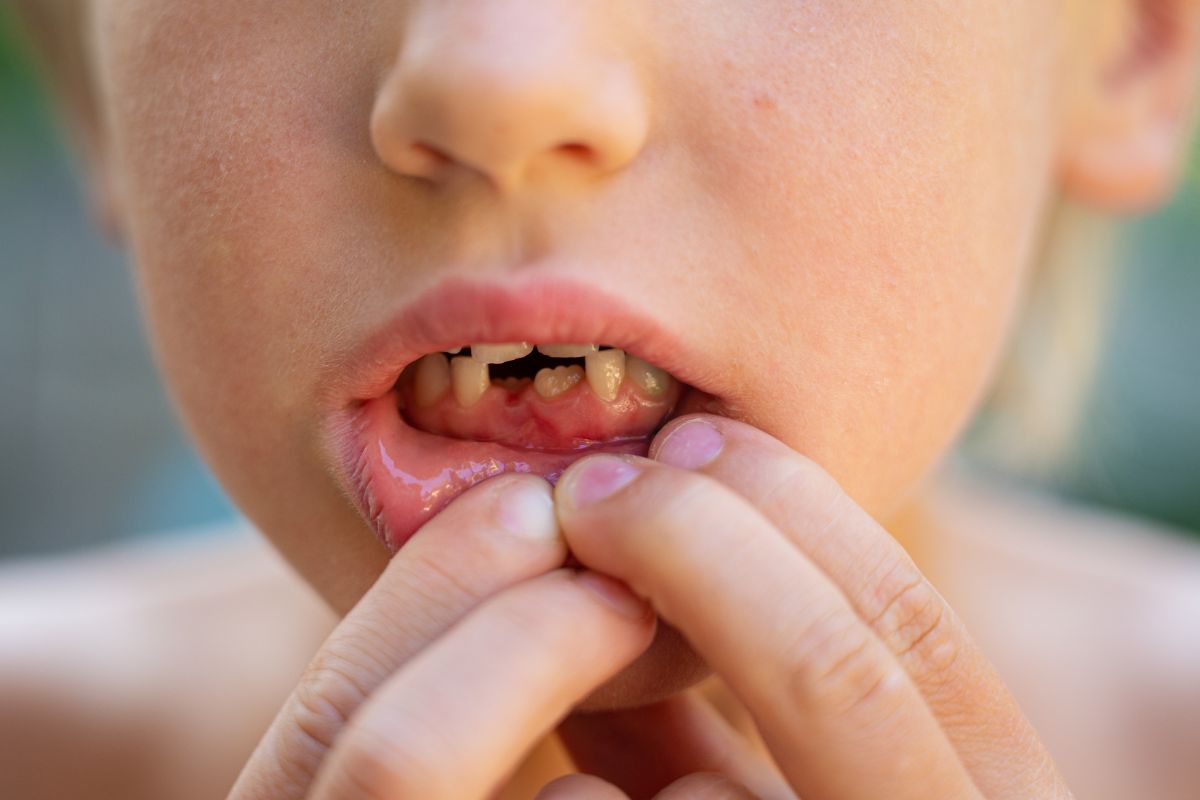
Tooth Discoloration: White or brown spots may indicate early cavities. Schedule a visit with a kids’ dentist if you notice discoloration.
-
Teething Pain: Some babies resist brushing during teething. Use a cooled teething ring or a soft finger toothbrush to clean teeth and soothe gums simultaneously.
When to Seek Professional Guidance
If you notice persistent discoloration, signs of decay, or unusual alignment, even in baby teeth, it’s essential to consult a Greensboro kids dentist promptly. Early intervention can prevent complications and ensure your child’s oral development stays on track.
Final Thoughts
At Triad Pediatric Dentistry, we understand that caring for your baby’s teeth may seem daunting at first, but using the right tools and establishing a consistent routine makes a significant difference. From soft-bristled toothbrushes and finger brushes to proper toothpaste and gentle techniques, parents can set their children up for a lifetime of healthy smiles.
At our dental clinic, we are dedicated to guiding parents through every stage of their child’s oral health, ensuring they grow up with strong, healthy teeth and a confident smile.