TRIAD DENTISTRY (Providing exceptional smiles with comprehensive dental care for adult patients). CLICK HERE


Do Braces Results Last Forever, or Do They Need Adjusting?
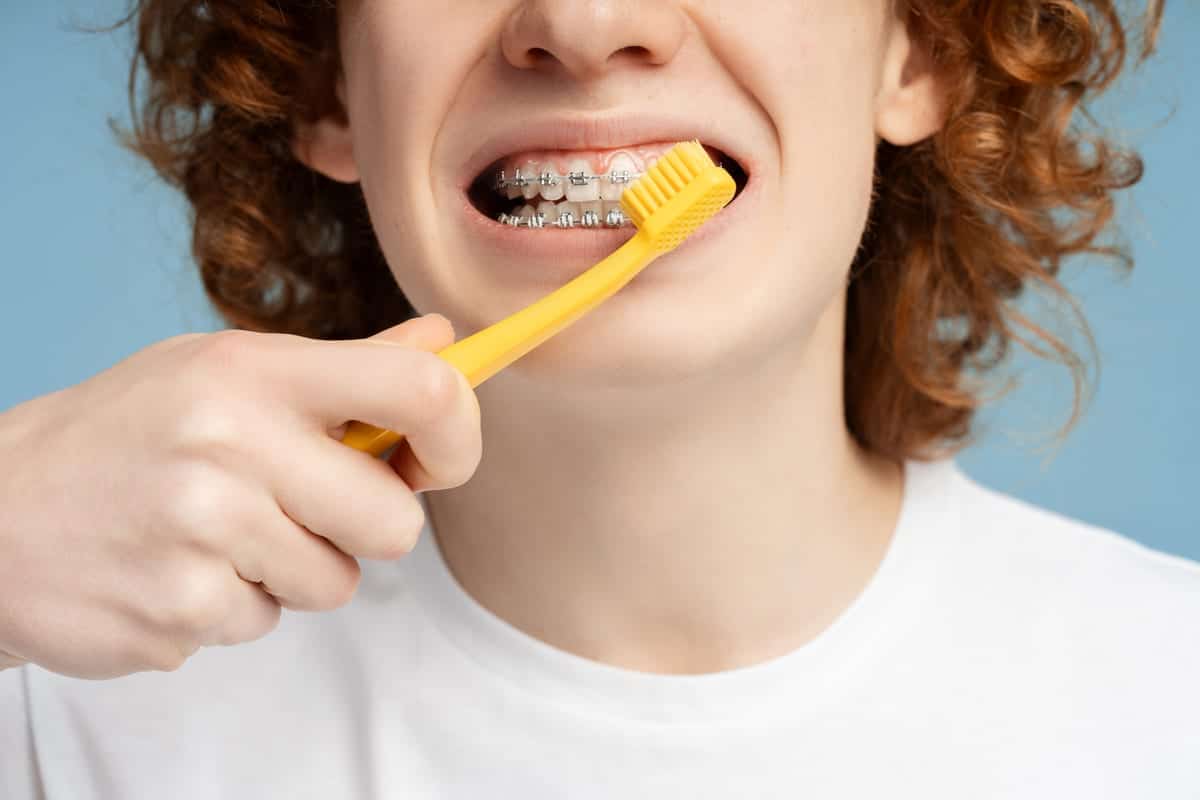
If your child just finished braces, you are probably wondering: do braces results last forever, or do they need adjusting in Greensboro? It is a great question that many parents ask after treatment ends. The honest answer is that braces create lasting change, but maintaining those results takes effort. Understanding what affects longevity helps your child keep a healthy, straight smile for years to come.
How Long Do Braces Results Typically Last for Kids?
Braces move teeth into better alignment over time. Once the active treatment phase ends, those new positions need time to stabilize. For most children, the results can last a lifetime with proper follow-through.
However, teeth have a natural tendency to drift back toward their original positions. This process is called relapse. Relapse happens most often when children skip the next important step: wearing a retainer.
The good news is that relapse is largely preventable. When children follow their orthodontist’s retainer instructions, their results stay intact for many years. Consistent habits during childhood and adolescence make a significant difference in long-term outcomes.
What Can Shorten or Extend Your Child’s Orthodontic Results in Greensboro?
Several factors affect how long braces results last for children. Some factors are within your control, and others are not. Knowing the difference helps you plan ahead.
Here are the most common factors that can shorten orthodontic results:
- Not wearing a retainer as directed by the orthodontist
- Thumb sucking or pacifier habits that continue after treatment
- Growth spurts that shift jaw alignment during adolescence
- Gum or bone issues that affect tooth stability
- Losing retainers and not replacing them quickly
On the flip side, these habits help extend your child’s results:
- Wearing retainers consistently every night long-term
- Keeping all follow-up appointments with your dental team
- Maintaining excellent oral hygiene to protect gum and bone health
- Addressing new habits early, such as nail biting or pen chewing
- Using a mouthguard during contact sports to prevent dental injuries
The Critical Role of Retainers After Braces
Retainers are the most important tool for preserving braces results. After braces come off, teeth are still settling into their new positions. The surrounding bone and ligaments need time to adapt fully.
Most orthodontists recommend wearing a retainer every night for the first year. After that, many children can transition to a few nights per week. Some children benefit from long-term nightly wear to prevent any shifting.
There are two main types of retainers. Removable retainers are easy to clean and convenient for school-age children. Fixed retainers are bonded behind the teeth and stay in place continuously. Your dental team will recommend the best option based on your child’s specific needs.
If your child loses or breaks a retainer, replace it quickly. Even a few weeks without a retainer can allow noticeable shifting to occur.
Protecting Your Child’s Smile Beyond the Retainer
Good oral health is the foundation of lasting orthodontic results. Gum disease and tooth decay weaken the structures that hold teeth in place. That makes routine dental care just as important as orthodontic follow-up.
Preventive treatments like Dental Sealants can protect your child’s teeth from cavities during and after braces. Sealants coat the chewing surfaces of back teeth, where decay most often begins. Keeping those teeth healthy supports overall bite stability.
Regular cleanings also remove tartar buildup that brushing cannot reach. Children in braces are especially prone to plaque accumulation around brackets. Staying on schedule with professional cleanings protects both teeth and gums.
When Might Your Child Need Braces Adjusted or Repeated?
Sometimes, despite everyone’s best efforts, some shifting occurs. This does not mean the original treatment failed. It simply means that teeth responded to natural growth or lifestyle changes over time.
Minor relapse can often be corrected with a new or updated retainer. More significant shifting may require a short course of additional orthodontic treatment. Your dental team will evaluate what is needed based on how much movement occurred.
Starting orthodontic treatment at the right age also affects long-term stability. Many children benefit from early evaluation around age seven. Catching alignment issues early allows for more efficient treatment and better long-term outcomes.
In Greensboro, our dental team works with families to monitor growth and address concerns early. Partnering with your child’s care team throughout adolescence is one of the best investments in lasting orthodontic success.
Conclusion: Lasting Results Start with Consistent Habits
Braces can deliver beautiful, lasting results for children in Greensboro. But those results do not maintain themselves. Retainer compliance, healthy oral hygiene, and regular dental visits are what keep your child’s smile on track for years ahead. The effort your family puts in after treatment is just as important as the treatment itself. Book Now to schedule your appointment with our team.
Frequently Asked Questions :
1. Do braces results last forever for children?
Braces results can last a lifetime, but they require maintenance. Children must wear their retainers as directed and keep up with regular dental visits. Without a retainer, teeth will gradually shift back toward their original positions over time.
2. How soon after braces do teeth start to shift?
Teeth can begin shifting within weeks of braces removal if a retainer is not worn. The first few months after treatment are the most critical period. Consistent retainer use during this time dramatically reduces the risk of relapse.
3. What happens if my child loses their retainer?
Contact your dental team as soon as possible to arrange a replacement. Even a short gap without retainer wear can cause noticeable movement. The sooner you replace it, the less likely your child will experience significant shifting.
4. Can growth spurts affect my child’s braces results?
Yes, jaw growth during adolescence can affect bite alignment even after braces. This is one reason why regular monitoring is important for growing children. Your dental team can detect early changes and recommend adjustments before shifting becomes significant.
5. At what age should my child get an orthodontic evaluation?
The American Association of Orthodontists recommends an evaluation by age seven. Early assessment allows your dental team to identify developing alignment issues. Addressing problems early often leads to simpler treatment and more stable long-term results.