TRIAD DENTISTRY (Providing exceptional smiles with comprehensive dental care for adult patients). CLICK HERE


Spot These 5 Signs Your Child Needs Fluoride Treatment Now

Many Greensboro parents wait until their child complains before calling the dentist. But teeth rarely send loud warning signals. If you know how to spot these 5 signs your child needs fluoride treatment now in Greensboro, you can stop small problems before they become painful — and expensive. Our dental team at Triad Pediatric Dentistry sees these warning signs every week. Early action protects your child’s smile for years to come.
Why Fluoride Treatment Matters for Children’s Teeth in Greensboro
Fluoride strengthens tooth enamel and fights the bacteria that cause cavities. Children’s teeth are still developing, which makes them more vulnerable to decay. Without enough fluoride, enamel weakens and cavities form faster. Greensboro’s water contains some fluoride, but it is often not enough on its own.
Professional fluoride treatments apply a concentrated dose directly to your child’s teeth. This is very different from toothpaste or tap water. The treatment takes just a few minutes and provides months of protection. It is one of the simplest, most effective tools in pediatric dentistry.
Here is why parents should take fluoride seriously early on:
- Baby teeth hold space for permanent teeth — protecting them matters
- Decay spreads faster in children than in adults
- Early cavities often have no pain until they are severe
- Fluoride treatment can reverse early-stage decay called white spot lesions
- It is a painless, non-invasive preventive procedure
Sign 1 and Sign 2 — Tooth Sensitivity and White or Brown Spots
Does your child wince when eating ice cream or cold drinks? Tooth sensitivity in children is not normal. It often means enamel has started to weaken. This is one of the clearest early warning signs that fluoride treatment is needed right away.
Sensitivity happens when the protective outer layer of the tooth becomes thin. Bacteria and acids erode enamel over time. Once that barrier weakens, nerves inside the tooth react to temperature changes. Fluoride can help remineralize and rebuild that weakened enamel.
White or chalky spots on teeth are another urgent sign. These spots indicate early demineralization — the very first stage of a cavity. You might notice them on your child’s front teeth or molars. They look pale or dull compared to the surrounding enamel.
Brown or dark spots are a more advanced version of the same problem. At this stage, decay is progressing quickly. Do not wait to see if it gets better on its own. A fluoride treatment combined with a dental exam can stop the damage before a filling becomes necessary.
Sign 3 and Sign 4 — Bleeding Gums and Frequent Cavities
Bleeding gums in children often get dismissed as rough brushing. In reality, they signal early gum inflammation caused by plaque buildup. Plaque contains the same acids that attack tooth enamel. When gums bleed regularly, your child’s entire oral environment needs attention.
Fluoride treatment works best when paired with good brushing habits and professional cleanings. Bleeding gums are a sign that bacteria are winning the battle in your child’s mouth. That same bacterial activity accelerates tooth decay. Addressing it early protects both gums and enamel.
If your child has had two or more cavities in the past year, that is a red flag. Frequent cavities suggest their enamel is consistently vulnerable. Some children are genetically predisposed to softer enamel. Others have dietary habits or dry mouth conditions that increase cavity risk.
For children with a history of frequent cavities, our dental team may recommend more frequent fluoride applications. We may also suggest pairing fluoride with Dental Sealant treatment for maximum protection. Sealants coat the grooves of back teeth where cavities most often begin. Together, these two treatments create a powerful defense for your child’s smile.
Sign 5 — Your Child Has Not Had a Professional Fluoride Treatment Recently
This sign is easy to overlook because there is no visible symptom. But skipping professional fluoride treatment is itself a risk factor. Many parents assume home fluoride toothpaste is enough. For most children, it is not sufficient on its own.
The American Academy of Pediatric Dentistry recommends fluoride varnish at every six-month checkup. If your child has not received one recently, their enamel is not getting the protection it needs. This is especially true for children who eat a lot of sugary snacks or drinks. Even healthy fruit juices contain acids that weaken enamel over time.
Children who breathe through their mouths or take certain medications may also have drier mouths. Saliva naturally neutralizes acids and delivers minerals to teeth. A dry mouth speeds up enamel erosion significantly. These children benefit most from consistent professional fluoride applications.
Watch for these additional risk factors that point to an urgent need for fluoride treatment:
- Your child eats sugary or starchy snacks multiple times per day
- They drink juice, sports drinks, or soda regularly
- They have deep grooves in their back molars
- They wear orthodontic braces or appliances
- They have a history of cavities or enamel defects
What Happens During a Fluoride Treatment at Triad Pediatric Dentistry
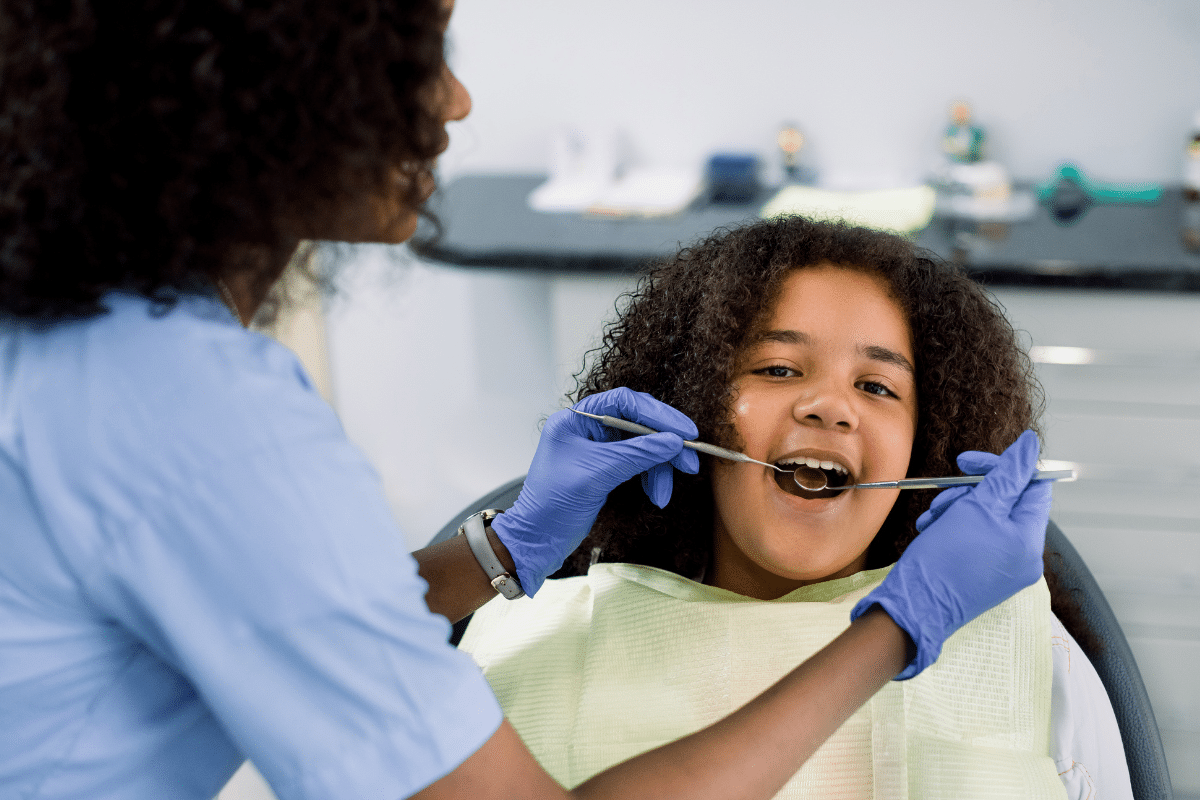
Many parents and children feel nervous about dental visits. The good news is that fluoride treatment is completely painless. It takes only a few minutes at the end of a routine cleaning appointment. There are no needles, no drills, and no discomfort involved.
Our dental team applies a fluoride varnish directly to your child’s teeth using a small brush. The varnish has a slightly sticky texture that keeps it in contact with enamel for several hours. Your child may eat and drink normally shortly after the application. The fluoride continues working long after they leave our Greensboro office.
Frequently Asked Questions :
1. At what age should my child start getting professional fluoride treatments?
Fluoride treatment can begin as soon as your child’s first teeth appear — usually around six months of age. The American Academy of Pediatric Dentistry recommends fluoride varnish starting at the first dental visit. Early application protects baby teeth and builds healthy habits from the start.
2. How often does my child need a fluoride treatment?
Most children benefit from fluoride treatment every six months, at each routine checkup. Children at higher risk for cavities may need treatment every three months. Our dental team will evaluate your child’s specific needs and recommend the right schedule for them.
3. Is fluoride treatment safe for young children?
Yes, professional fluoride varnish is considered very safe for children of all ages. The amount of fluoride used in a varnish application is small and precisely controlled. It is one of the most studied preventive treatments in pediatric dentistry and has an excellent safety record.
4. Can fluoride treatment reverse a cavity that has already started?
Fluoride can reverse very early-stage decay known as white spot lesions before a cavity fully forms. Once a cavity has progressed into the tooth structure, a filling is usually needed. This is why catching signs early and acting quickly makes such a big difference for your child’s teeth.
What can I do at home to support my child’s fluoride protection between visits?
Use a fluoride toothpaste approved for your child’s age group twice daily. Limit sugary drinks and snacks that feed decay-causing bacteria. Make sure your child drinks tap water when possible, since Greensboro’s municipal water contains some fluoride. These habits work alongside professional treatments to keep your child’s teeth strong.
Protecting your child’s smile does not have to be complicated. Knowing the early warning signs makes all the difference. Our dental team at Triad Pediatric Dentistry is here to guide Greensboro families every step of the way. Book Now to schedule your appointment with our team.