TRIAD DENTISTRY (Providing exceptional smiles with comprehensive dental care for adult patients). CLICK HERE


How Can I Help My Teething Baby Sleep Better?

If you are a parent of a teething baby, you already know the struggle — the crying, the restless nights, and the helpless feeling of not knowing what to do. Teething is a natural milestone in your child’s development, but it can seriously disrupt your little one’s sleep and your own. The good news? There are safe, proven strategies that can ease your baby’s discomfort and help everyone get a better night’s rest.
When Does Teething Start and What Are the Signs?
Most babies begin teething between 4 and 7 months of age, though some start earlier or later. Knowing the signs helps you respond quickly and with confidence.
Common Teething Symptoms Include:
- Increased drooling
- Swollen or tender gums
- Irritability and fussiness, especially at night
- Chewing on objects or fingers
- Disrupted sleep patterns
- Pulling at ears or rubbing cheeks
It’s important to note that teething does not cause high fever, vomiting, or diarrhea. If your baby shows these symptoms, consult your pediatrician right away.
Why Does Teething Disrupt Your Baby’s Sleep?
Teething discomfort tends to feel more intense at night. During the day, your baby is stimulated by activity and distractions. At bedtime, there’s nothing else to focus on — which means the gum pain becomes front and center. The pressure from the emerging tooth on the gum tissue causes real physical discomfort that can wake a baby from even a deep sleep. Understanding this helps parents respond with patience and empathy rather than frustration.
Practical Tips to Help Your Teething Baby Sleep Better
1. Gently Massage the Gums
Before bedtime, use a clean finger or a soft, damp cloth to gently rub your baby’s gums. The counter-pressure can provide immediate relief from soreness. This simple, natural method is safe for babies of all ages and requires no products at all.
2. Use a Chilled (Not Frozen) Teething Ring
Cold helps numb the gums and reduce inflammation. Place a rubber or silicone teething ring in the refrigerator — not the freezer — and give it to your baby before sleep. Frozen teethers can become too hard and may actually hurt delicate gum tissue.
3. Keep a Consistent Bedtime Routine
A predictable bedtime routine — bath, feeding, gentle rocking, and soft singing — signals to your baby that it’s time to wind down. Even during teething flares, consistency helps your baby feel safe and calm, making it easier to fall and stay asleep.
4. Talk to Your Pediatric Dentist About Safe Pain Relief
If your baby’s discomfort is severe and regularly affecting their sleep, it’s time to consult a pediatric dentist. A qualified pediatric dentist takes a child-centered approach to care, offering guidance tailored specifically to your baby’s age and developmental stage. They can recommend age-appropriate pain relief options and rule out any other concerns with your baby’s gum and tooth development. Avoid over-the-counter numbing gels containing benzocaine, as the FDA does not recommend these for children under two years old.
5. Offer Extra Comfort Without Creating New Sleep Habits
It’s natural to want to comfort your baby more during teething. A little extra cuddle time, a soothing voice, or gentle patting can go a long way. Just be mindful of introducing new sleep associations — like feeding to sleep every time — that may be harder to break once the teething phase passes.
What to Avoid During Teething
- Teething necklaces or bracelets — these pose a choking and strangulation risk
- Numbing gels with benzocaine or lidocaine for children under 2
- Frozen teethers that can become too rigid and injure gum tissue
- Herbal teething tablets unless specifically approved by your child’s doctor
When Should You Call a Pediatric Dentist?
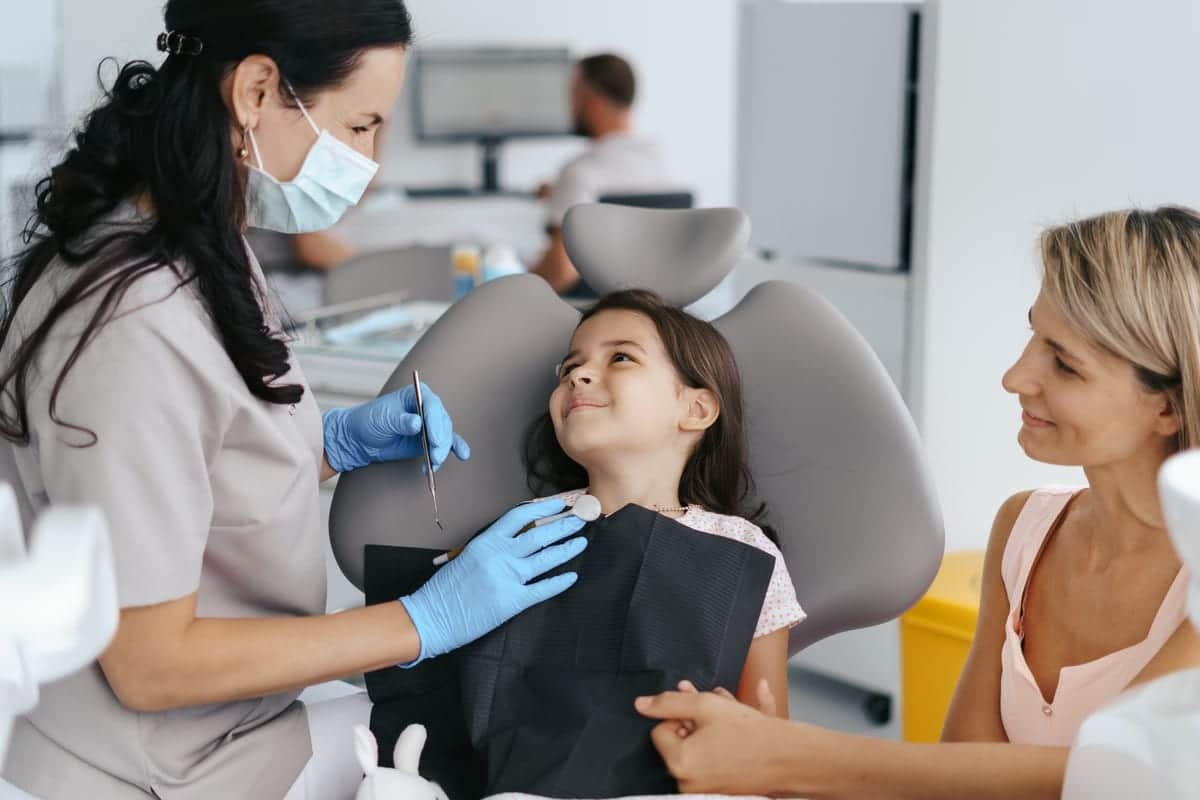
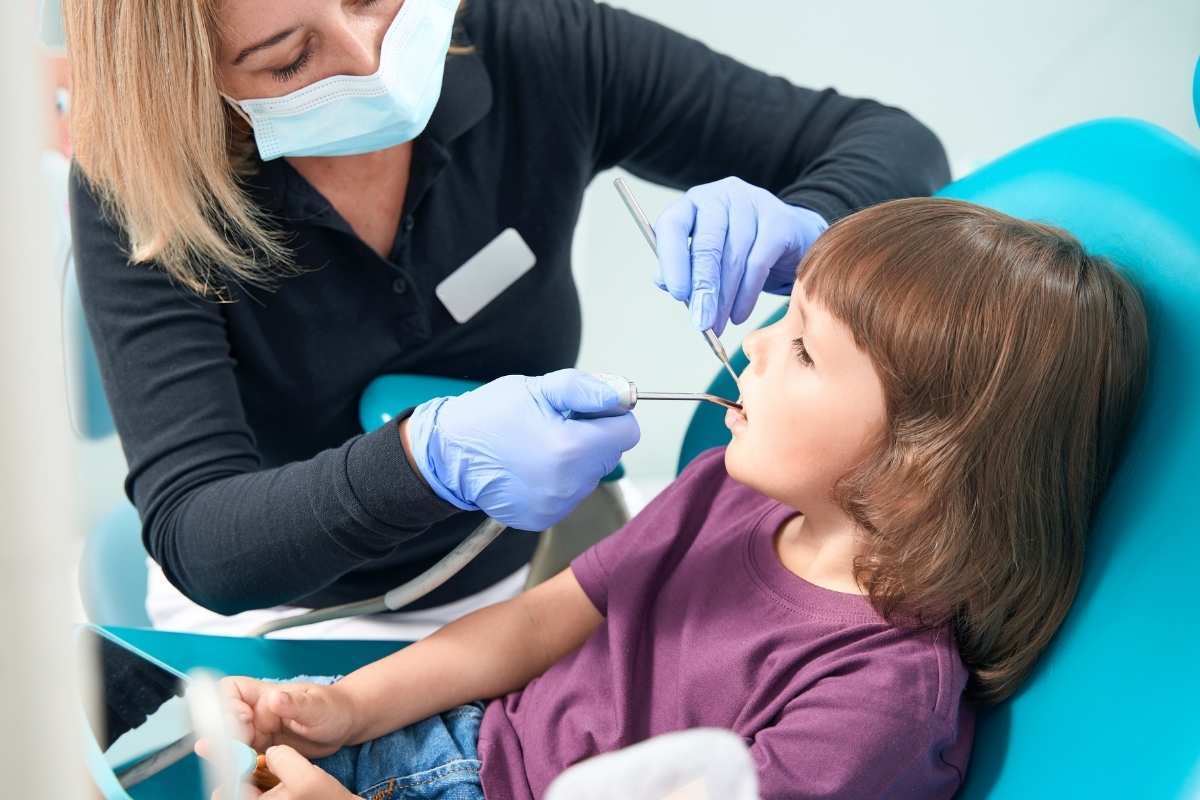
The American Academy of Pediatric Dentistry recommends scheduling your child’s first dental visit by their first birthday or within six months of the first tooth appearing. A pediatric dentist’s child-centered approach means your baby will be examined in a friendly, low-stress environment designed to build positive associations with dental care from the very beginning. A strong commitment to high-quality care from an early age sets the foundation for a lifetime of healthy smiles.
Your Baby’s Smile Deserves the Best
Teething is tough, but you don’t have to face it alone. At Triad Pediatric Dentistry, we bring warmth, expertise, and a genuine commitment to high-quality care to every single visit. Our pediatric dentist team takes a child-centered approach that makes dental visits a positive, reassuring experience for both babies and parents. Whether you have questions about teething, your child’s first tooth, or their long-term oral health, we are here for your family every step of the way. Schedule an appointment with us today and give your child the healthy, happy start they truly deserve