TRIAD DENTISTRY (Providing exceptional smiles with comprehensive dental care for adult patients). CLICK HERE


How a Pediatric Dentist Treats Cavities in Baby Teeth
When it comes to children’s oral health, one of the most common concerns parents face is baby-tooth cavities. While baby teeth are temporary, they play a critical role in a child’s development, helping with chewing, and speech, and guiding the proper alignment of permanent teeth. So when cavities appear, prompt and proper care is essential. In this blog, we’ll explore how a pediatric dentist addresses cavities in baby teeth and why early intervention is so important for your child’s dental future.
Why Cavities in Baby Teeth Matter
Some parents may wonder if treating cavities in baby teeth is necessary since these teeth eventually fall out. However, untreated cavities can lead to pain, infection, and even early tooth loss, which may interfere with eating habits, speech development, and the alignment of incoming adult teeth.
That’s why seeing a pediatric dentist at the first sign of tooth trouble is so important. Our pediatric dentists in Greensboro are specifically trained to care for children’s dental needs and are skilled in making young patients feel at ease during treatment.
Step-by-Step: How a Pediatric Dentist Treats Cavities in Baby Teeth
1. Initial Examination and Diagnosis
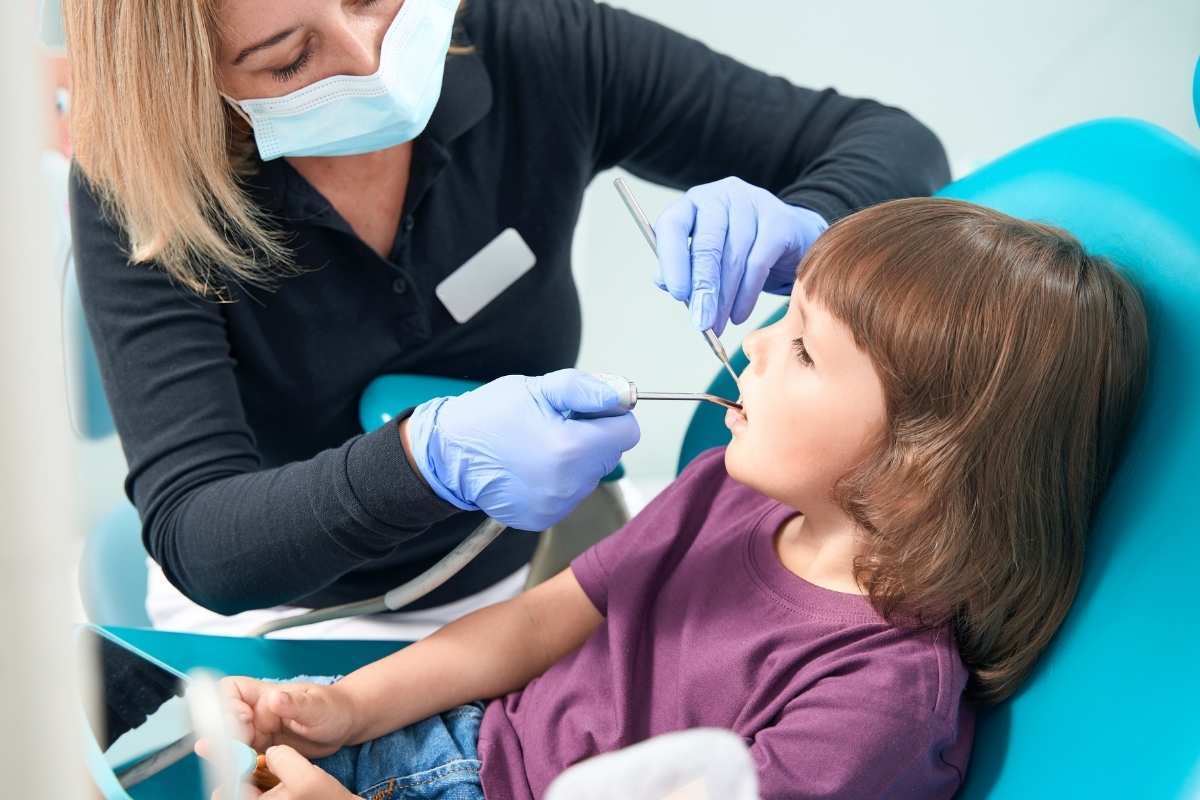
The first step in treating a cavity is a thorough dental examination. The pediatric dentist will assess your child’s mouth visually and may take digital X-rays to evaluate the extent of the decay. They’ll determine whether the cavity is small, moderate, or advanced, which helps guide the treatment plan.
This initial exam is also an opportunity for the pediatric dentist to talk with parents about diet, oral hygiene habits, and risk factors for future cavities.
2. Gentle Communication and Child-Friendly Approach
Before beginning treatment, pediatric dentists focus on easing the child’s anxiety. They often use a “tell-show-do” technique: explaining the process in kid-friendly language, showing the tools in a non-threatening way, and then performing the treatment.
By creating a calm, positive environment, a pediatric dentist can help reduce fear and establish trust, making the visit more comfortable for both the child and the parent.
3. Numbing the Area (If Necessary)
For moderate-to-severe cavities, numbing the area is typically required to ensure the child feels no discomfort. Pediatric dentists use child-appropriate doses of local anesthetic and may also offer distraction techniques or mild sedation when needed, depending on the child’s age and anxiety level.
Comfort is always a top priority, and the dentist carefully monitors the child throughout the procedure.
4. Removing the Decay
Once the area is numb, the dentist removes the decayed portion of the tooth using small, specialized tools. This step is critical to preventing the cavity from spreading and protecting the healthy part of the tooth.
In cases of very small cavities, some pediatric dentists use laser technology or minimally invasive techniques to remove decay with even less discomfort.
5. Filling the Tooth
After the decay is removed, the space is filled with a tooth-colored filling material. These fillings restore the shape and function of the tooth, allowing your child to chew properly and avoid future discomfort.
Tooth-colored fillings blend well with natural teeth and are durable enough to withstand the pressures of chewing, even for young children.
6. Follow-up and Preventive Guidance
After the treatment, the pediatric dentist will provide tips for maintaining your child’s oral health. This includes brushing and flossing techniques, diet recommendations (such as reducing sugary snacks and drinks), and the importance of regular dental check-ups.
Ongoing care and education are essential parts of pediatric dentistry. Our pediatric dentist in Greensboro emphasizes regular follow-up visits to monitor healing, support continued oral development, and prevent future cavities.
The Importance of Early Dental Visits
One of the most effective ways to manage cavities in baby teeth is through prevention. That’s why the American Academy of Pediatric Dentistry recommends that children see a dentist by their first birthday. These early visits allow the dentist to spot issues early, educate parents, and make children more comfortable with routine dental care.
Regular visits to a pediatric dentist build trust and make it more likely that your child will develop healthy habits and a positive attitude toward oral health.
Patient-Centered Care You Can Trust
Choosing a pediatric dentist who prioritizes gentle care, open communication, and a child-friendly atmosphere can make all the difference. At Triad Pediatric Dentistry, from diagnosis to follow-up care, every step is handled with attention to your child’s comfort and well-being. Our pediatric dentists are trained not only in treating teeth but also in managing the emotional needs of children, making them uniquely qualified to care for your little one’s smile.
At our dental clinic, we’re proud to provide expert, compassionate care in a welcoming environment where kids feel safe and supported. /request-an-appointment/ today to give your child the best start to a lifetime of healthy smiles.
Related Articles

By Triad Pediatric Dentistry