TRIAD DENTISTRY (Providing exceptional smiles with comprehensive dental care for adult patients). CLICK HERE


When Do Adult Teeth Come In for Kids?

Watching your child grow comes with plenty of milestones, and changes in their smile are among the most noticeable. One common question parents ask is when do adult teeth come in for kids? Understanding this timeline can ease concerns, set expectations, and help you support your child’s oral health with confidence.
While every child develops at their own pace, there is a general pattern for how baby teeth transition into permanent teeth. Knowing what’s normal—and what might need attention—can make this stage much less stressful for both parents and kids.
Understanding the Transition From Baby Teeth to Adult Teeth
Children are born with a full set of baby teeth hidden beneath the gums. These primary teeth play a crucial role in chewing, speech development, and guiding adult teeth into the correct position.
The transition from baby teeth to permanent teeth is called the mixed dentition stage, when both types are present at the same time. This phase usually lasts several years and is completely normal.
When Do Adult Teeth Typically Start Coming In?
Most children begin losing baby teeth and getting their first adult teeth around age 6, though some may start a bit earlier or later.
General Timeline for Adult Teeth Eruption
-
Ages 6–7: First molars and lower front teeth often appear
-
Ages 7–8: Upper front teeth usually come in
-
Ages 9–12: Canines and premolars replace baby teeth
-
Ages 12–13: Second molars emerge
-
Late teens: Third molars (wisdom teeth), if they develop
This gradual process allows the jaw to grow and make room for larger, permanent teeth.
Why Adult Teeth Sometimes Come In Before Baby Teeth Fall Out
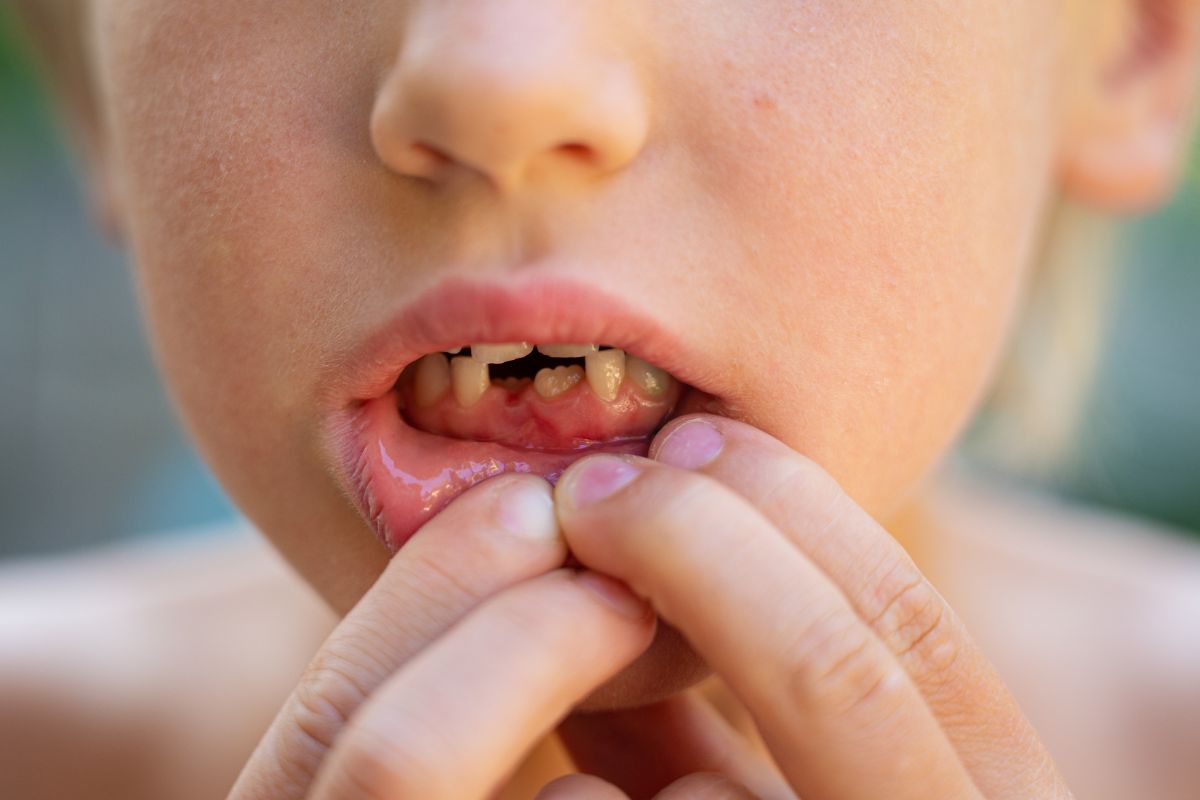
Parents are often surprised when they see adult teeth coming in behind baby teeth, especially along the lower front. While it can look concerning, this situation is fairly common.
In many cases:
-
The adult tooth erupts slightly off to the side
-
The baby tooth loosens and falls out naturally soon after
-
Tongue pressure helps move the adult tooth forward
A pediatric dentist can help monitor this process and provide reassurance when things are progressing normally.
Factors That Affect When Adult Teeth Come In
Every child is unique, and several factors influence the timing of tooth eruption:
Genetics
If parents experienced early or late tooth development, their children may follow a similar pattern.
Jaw Growth
Adequate jaw development helps permanent teeth erupt in the right position and at the right time.
Overall Health
Nutrition, general health, and childhood habits can all influence dental development.
Because of these variables, comparing your child’s timeline to others isn’t always helpful. Guidance from our trusted pediatric dentist in Greensboro can provide clarity tailored to your child.
Signs Parents Should Pay Attention To
While variation is normal, certain signs may warrant closer attention:
-
Adult teeth not appearing well past the expected age
-
Baby teeth that remain firmly in place for too long
-
Adult teeth erupting at unusual angles
-
Persistent discomfort or swelling
A thoughtful, observation-based approach—often emphasized by a pediatric dentist—helps ensure healthy development without unnecessary worry.
How to Support Healthy Tooth Development at Home
Parents play a big role in supporting this transition.
Helpful habits include:
-
Encouraging consistent brushing and flossing
-
Promoting a balanced diet rich in calcium and vitamins
-
Avoiding habits that place excessive pressure on teeth
Staying informed helps parents feel confident during this important stage of growth.
Why Monitoring Matters During the Mixed Dentition Stage
The years when baby and adult teeth coexist are critical for long-term oral health. Spacing, alignment, and eruption patterns during this time can influence how a child’s smile develops into adulthood.
A pediatric dentist’s experienced, preventive approach focuses on:
-
Monitoring growth rather than rushing decisions
-
Educating parents clearly and calmly
-
Supporting comfort and confidence at every visit
This patient-centered mindset reflects a strong commitment to high-quality care and trust.
Helping Your Child Feel Confident About Changes in Their Smile
Kids may feel anxious when teeth start wiggling or new ones appear. Simple reassurance and age-appropriate explanations go a long way in making the experience positive.
Normalizing these changes helps children view oral health as a natural part of growing up rather than something to fear.
A Confident Next Step for Your Child’s Growing Smile
Understanding when adult teeth come in for kids empowers parents to support healthy development with confidence. At Triad Pediatric Dentistry, we believe education and reassurance are just as important as clinical expertise. Our engaging, child-focused approach helps families feel informed and supported every step of the way. If you have questions about your child’s dental development, schedule an appointment today. Visit our dental clinic in Greensboro, where we guide your family with clarity, care, and confidence as your child’s smile continues to grow.