TRIAD DENTISTRY (Providing exceptional smiles with comprehensive dental care for adult patients). CLICK HERE


What to Do If Permanent Teeth Grow Behind Baby Teeth

Seeing a permanent tooth come in behind a baby tooth can be surprising and even worrying for parents. This situation, often called “shark teeth,” is actually more common than many people realize during childhood dental development. Understanding why it happens, what it means for your child’s oral health, and when to take action can help you feel confident and informed as a parent.
This guide explains the causes, risks, and next steps when permanent teeth grow behind baby teeth, with a calm, educational approach focused on long-term dental health.
Understanding Normal Tooth Development in Children
Children typically begin losing baby teeth around age six, with permanent teeth gradually replacing them over several years. Ideally, the baby tooth loosens and falls out before the permanent tooth emerges.
However, tooth eruption does not always follow a perfect timeline. In some cases, the permanent tooth begins to erupt before the baby tooth has fully loosened, causing it to appear behind or in front of the baby tooth rather than directly underneath it.
This can happen even in otherwise healthy mouths and does not automatically indicate a serious problem.
Why Do Permanent Teeth Grow Behind Baby Teeth?
Baby Teeth That Don’t Loosen on Time
Sometimes the roots of baby teeth do not dissolve as expected. When this happens, the permanent tooth may take a slightly different path as it comes in, often appearing behind the baby tooth.
Jaw Growth and Tooth Position
Every child’s jaw develops at a different pace. If the jaw is still growing or lacks enough space at the moment a permanent tooth erupts, the tooth may emerge behind the baby tooth instead of pushing it out.
Crowding or Limited Space
Crowding can also contribute to this issue. When there isn’t enough room for teeth to align properly, permanent teeth may erupt out of position.
A pediatric dentist can evaluate these developmental factors and determine whether the situation is likely to resolve naturally.
Is This a Serious Dental Problem?
In many cases, permanent teeth growing behind baby teeth correct themselves over time. As the permanent tooth continues to erupt, it often helps loosen the baby tooth, which then falls out on its own. The tongue and natural chewing forces can also guide the permanent tooth into a better position.
However, there are situations where monitoring is important. If the baby tooth remains firmly in place for too long or the permanent tooth continues erupting far out of alignment, professional guidance may be necessary to prevent future complications.
What Parents Should Do at Home
Encourage Gentle Wiggling
If the baby tooth is already loose, encourage your child to gently wiggle it with clean hands or their tongue. This can help the tooth fall out naturally.
Maintain Excellent Oral Hygiene
Keeping the area clean is essential. Brush gently around both the baby tooth and the erupting permanent tooth to reduce plaque buildup and protect the surrounding gums.
Avoid Forcing the Tooth Out
Do not try to pull out a baby tooth that is not loose. Forcing it can cause pain, bleeding, or damage to surrounding tissues.
Observe Changes Over Time
Take note of whether the baby tooth becomes looser and whether the permanent tooth continues to move forward. Changes often happen gradually over weeks or months.
When to Seek Professional Advice
Parents should consider scheduling an evaluation with a pediatric dentist if:
-
The baby tooth is not loosening at all
-
The permanent tooth is erupting significantly out of alignment
-
Your child experiences pain, swelling, or difficulty chewing
-
Multiple teeth appear to be erupting incorrectly
A pediatric dentist in Greensboro is trained to assess developing smiles and identify whether early intervention is needed or simple observation is sufficient.
Potential Long-Term Effects If Left Unchecked
While many cases resolve naturally, leaving certain situations unmonitored may increase the risk of:
-
Crowding or misalignment
-
Bite issues
-
Difficulty cleaning between teeth
-
Increased risk of cavities due to overlapping teeth
Early guidance from a kid dentist can help protect proper alignment and support healthy oral development.
How Dental Monitoring Supports Healthy Growth
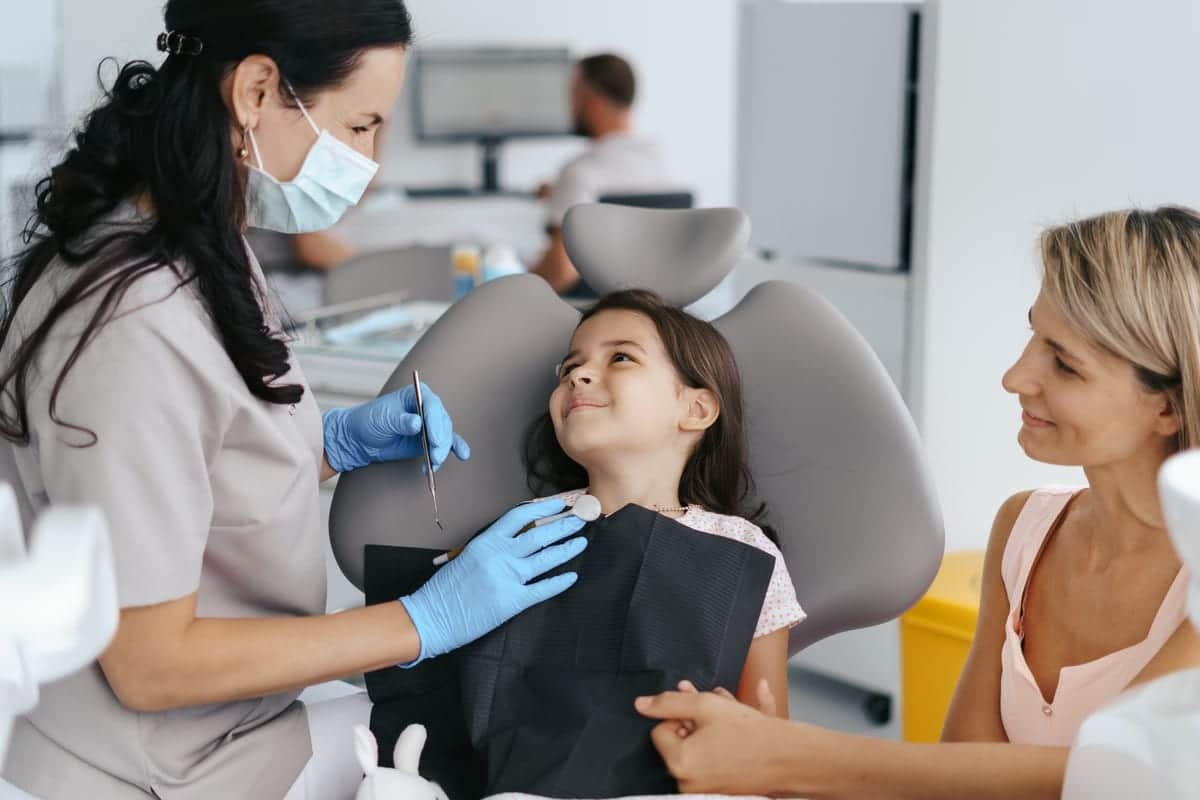
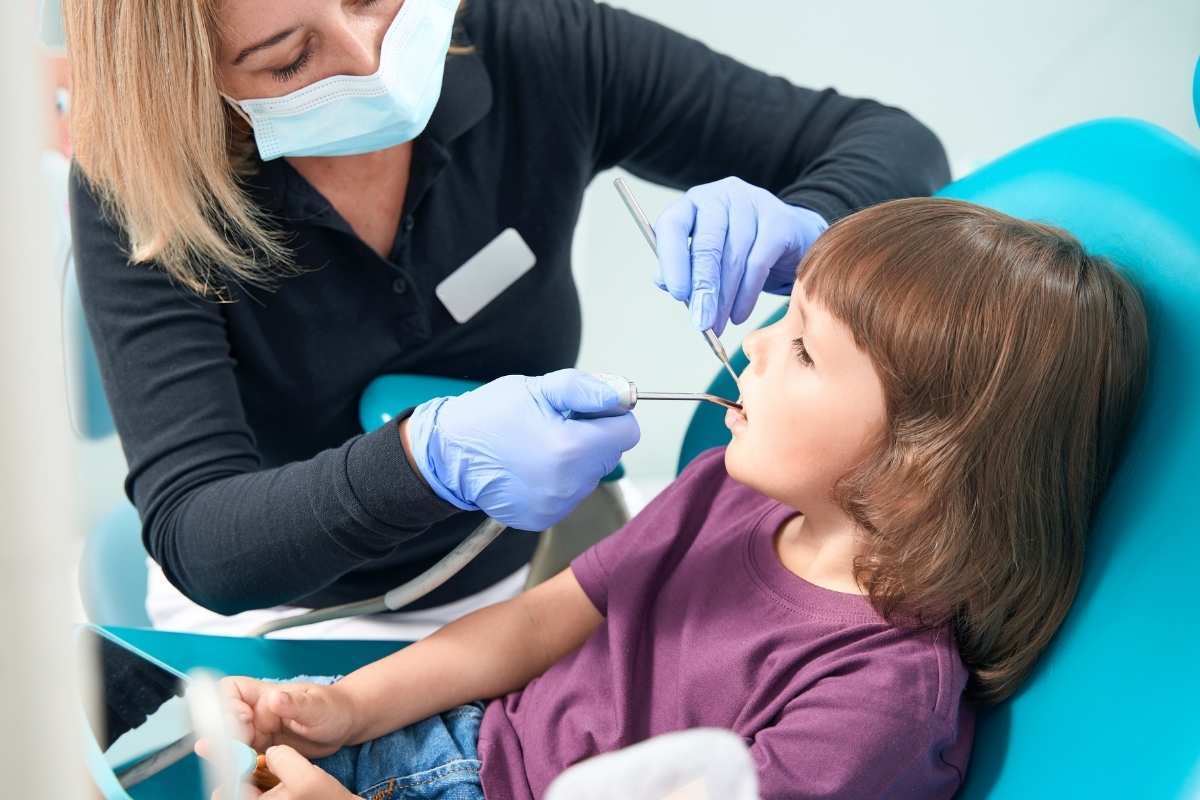
Routine dental visits allow professionals to track tooth eruption patterns, jaw growth, and spacing. A pediatric dentist understands how children’s mouths change over time and can provide reassurance when things are developing normally.
Monitoring also helps identify when a baby tooth may need additional attention to allow permanent teeth to settle into a healthier position naturally.
Helping Children Feel Comfortable and Confident
Children often feel nervous when they notice something unusual in their mouths. Explaining that this is a common phase of growing up can help ease anxiety. Reassure them that their teeth are simply adjusting and that support is available if needed.
Positive experiences with a pediatric dentist can help children build trust and confidence in dental care from an early age.
A Confident Next Step for Your Child’s Smile
Understanding what to do if permanent teeth grow behind baby teeth empowers parents to make calm, informed decisions. While this situation is often temporary, professional guidance ensures that your child’s smile continues developing in a healthy, balanced way.
Supporting Growing Smiles With Trusted Pediatric Dental Guidance
At Triad Pediatric Dentistry, we focus on helping families understand every stage of dental development with clarity, patience, and expertise. Our team is committed to supporting children’s oral health through education, careful monitoring, and compassionate care. If you have concerns about your child’s tooth development, our dental clinic is here to guide you with confidence and reassurance. We invite you to schedule an appointment and take the next step in supporting your child’s healthy smile.