TRIAD DENTISTRY (Providing exceptional smiles with comprehensive dental care for adult patients). CLICK HERE


What Causes Baby Bottle Tooth Decay and How to Prevent It
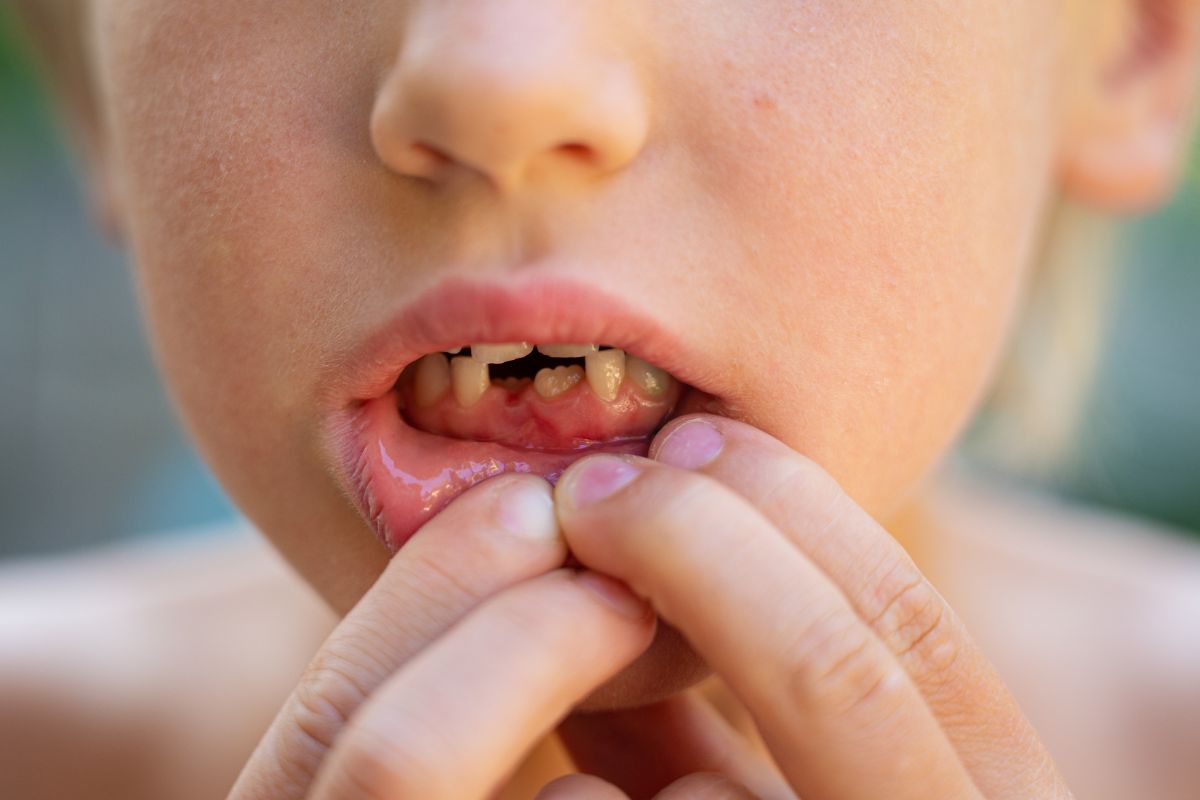
Baby teeth may be small, but they play a big role in a child’s early development. They help with chewing, speech, confidence, and guiding permanent teeth into their proper positions. That’s why tooth decay during infancy—commonly known as baby bottle tooth decay—is something every parent should be aware of. While the name may sound simple, the issue itself can affect your child’s comfort, health, and future dental development if not addressed early.
Many parents begin researching this topic after noticing small changes in their child’s teeth or after visiting a kids dentist with questions about early decay. Understanding what causes baby bottle tooth decay, how it develops, and what you can do to prevent it helps ensure your child stays on a positive path toward lifelong oral health.
Below is a clear, parent-friendly guide to help you feel confident and informed.
What Exactly Is Baby Bottle Tooth Decay?
Baby bottle tooth decay—often seen in toddlers and babies—refers to cavities that develop in early childhood, usually affecting the upper front teeth. The decay occurs when sugar from milk, formula, juice, or sweetened liquids remains on the teeth for long periods. Harmful bacteria feed on these sugars and produce acids that weaken tooth enamel.
Because baby teeth are thinner and more delicate than adult teeth, the damage develops faster, sometimes spreading before parents even realize there’s a problem. Understanding the root causes can help you take small but powerful steps to protect your child’s smile.
Common Causes of Baby Bottle Tooth Decay
Although the issue can seem sudden, baby bottle tooth decay usually develops from a combination of everyday habits. Here are the most common causes:
1. Extended Bottle Use
Letting a child fall asleep with a bottle or sip from it for long periods exposes their teeth to sugars throughout the day or night. Saliva flow decreases during sleep, so the sugars stay on the teeth even longer.
2. Frequent Intake of Sugary Liquids
Juice, sweetened milk, flavored drinks, and even formula contain sugars that can contribute to decay. When these beverages are consumed repeatedly, bacteria have more fuel to create harmful acids.
3. Improper Cleaning of Baby Teeth
Some parents believe baby teeth don’t require thorough brushing because they will eventually fall out. However, plaque can form on baby teeth just as quickly as on adult teeth. Without daily cleaning, bacteria accumulate and begin breaking down enamel.
4. Sharing Utensils
It may seem harmless to share a spoon or blow on your child’s food, but bacteria that cause cavities can transfer from parent to child. This makes early decay more likely, especially when combined with sugary drinks.
5. Prolonged Breastfeeding Without Dental Hygiene
Breastfeeding itself does not cause decay, but allowing a baby to nurse continuously throughout the night without cleaning the teeth afterward can increase the risk.
Understanding these causes empowers you to take preventive steps that safeguard your child’s oral health from the very beginning.
Early Signs Parents Should Watch For
Early detection makes a major difference. Baby bottle tooth decay often begins subtly. Look for:
-
White spots near the gumline
-
Mild discoloration
-
Sensitivity or discomfort
-
Brown or darkened areas on teeth
-
Changes in eating habits
If you notice any of these signs, contacting a kids dentist in Greensboro can provide reassurance and guidance.
How to Prevent Baby Bottle Tooth Decay
Prevention is simple once you know what habits help protect your child’s teeth. Here are easy, effective steps you can start right away:
1. Clean Your Baby’s Gums Early
Even before teeth erupt, wipe your baby’s gums with a clean, damp cloth after feedings. Once teeth appear, use a soft infant toothbrush.
2. Limit Sugary Drinks
Offer water between meals. Avoid giving juice in a bottle, and try not to use bottles as comfort items throughout the day.
3. Avoid Bedtime Bottles
Putting a child to sleep with a bottle gives sugar hours to coat the teeth. If needed, offer water instead of milk or juice.
4. Transition From Bottle to Cup
Most children can begin using a cup around their first birthday, reducing constant exposure to sugary liquids.
5. Brush Twice Daily
Use a tiny smear of fluoride toothpaste starting at the appearance of the first tooth, and increase to a pea-sized amount around age three.
6. Maintain Routine Dental Checkups
Regular visits help track your child’s development and spot early signs of decay before they progress.
7. Avoid Sharing Utensils
This simple step helps prevent bacteria transfer between parent and child.
These habits support not just healthier teeth but healthier routines your child can grow with.
Why Prevention Matters
Baby teeth hold space for permanent teeth and help guide jaw development. Losing them too early due to decay can lead to alignment issues, speech difficulties, or even discomfort during eating. Preventive care protects your child’s smile now and sets the foundation for healthier teeth in the future.
Parents often feel relieved knowing that baby bottle tooth decay is preventable and manageable when addressed early. With the right knowledge—and a trusted dental professional—you can feel confident in supporting your child’s oral health at every stage.
Take the First Step Toward Protecting Your Child’s Smile
A strong, healthy smile starts with the right habits and supportive guidance, and that’s exactly what you’ll find with Triad Pediatric Dentistry. At our dental clinic, we focus on helping families understand how to prevent issues like baby bottle tooth decay while making every visit comfortable and encouraging. If you’re looking for a trusted kids dentist in Greensboro or want personalized tips for your child’s dental health, schedule an appointment and let us help you keep your child’s smile bright and healthy.