TRIAD DENTISTRY (Providing exceptional smiles with comprehensive dental care for adult patients). CLICK HERE


Why Your Child’s Toothbrush Can’t Beat Hardened Tartar Buildup

Many parents in Greensboro assume that daily brushing keeps their child’s teeth perfectly clean. But there’s a hidden problem that no toothbrush can solve. Once plaque hardens into tartar, only professional tools can remove it. Understanding why your child’s toothbrush can’t beat hardened tartar buildup in Greensboro is the first step toward protecting your child’s smile.
Tartar doesn’t appear overnight. It builds gradually when soft plaque is left behind after brushing. Within 24 to 72 hours, that plaque can calcify into a hard mineral deposit called tartar. Once it hardens, brushing and flossing simply cannot touch it.
What Is Tartar and Why Does It Form on Kids’ Teeth?
Tartar — also called dental calculus — is mineralized plaque. Saliva contains calcium and phosphate minerals. These minerals bond with plaque bacteria and harden the soft film onto tooth surfaces. Children are especially prone to rapid plaque buildup because of their diets and developing brushing habits.
Sugary snacks and acidic drinks accelerate plaque formation. Kids who eat frequently or sip juice throughout the day feed the bacteria that produce plaque. Even children who brush twice daily can miss hard-to-reach spots. Those missed areas become tartar hotspots quickly.
Common places tartar hides on children’s teeth include:
- Along the gumline on the front lower teeth
- Between teeth where flossing is inconsistent
- Behind the back molars
- Around existing fillings or dental work
Once tartar forms in these areas, no amount of brushing will dislodge it. The mineral bond is simply too strong for a soft-bristle toothbrush to break.
Why Your Child’s Toothbrush Can’t Beat Hardened Tartar Buildup
A toothbrush is designed to sweep away soft plaque and food debris. It works beautifully on fresh buildup. However, hardened tartar has a rough, porous surface that sticks firmly to enamel and along the gumline. Brushing over tartar can actually trap more bacteria inside its rough texture.
Flossing removes soft plaque from between teeth effectively. But floss slides right past hardened calculus deposits. Many parents don’t realize their child still has significant buildup even after thorough home care routines. This is not a failure of parenting — it is simply a biological reality.
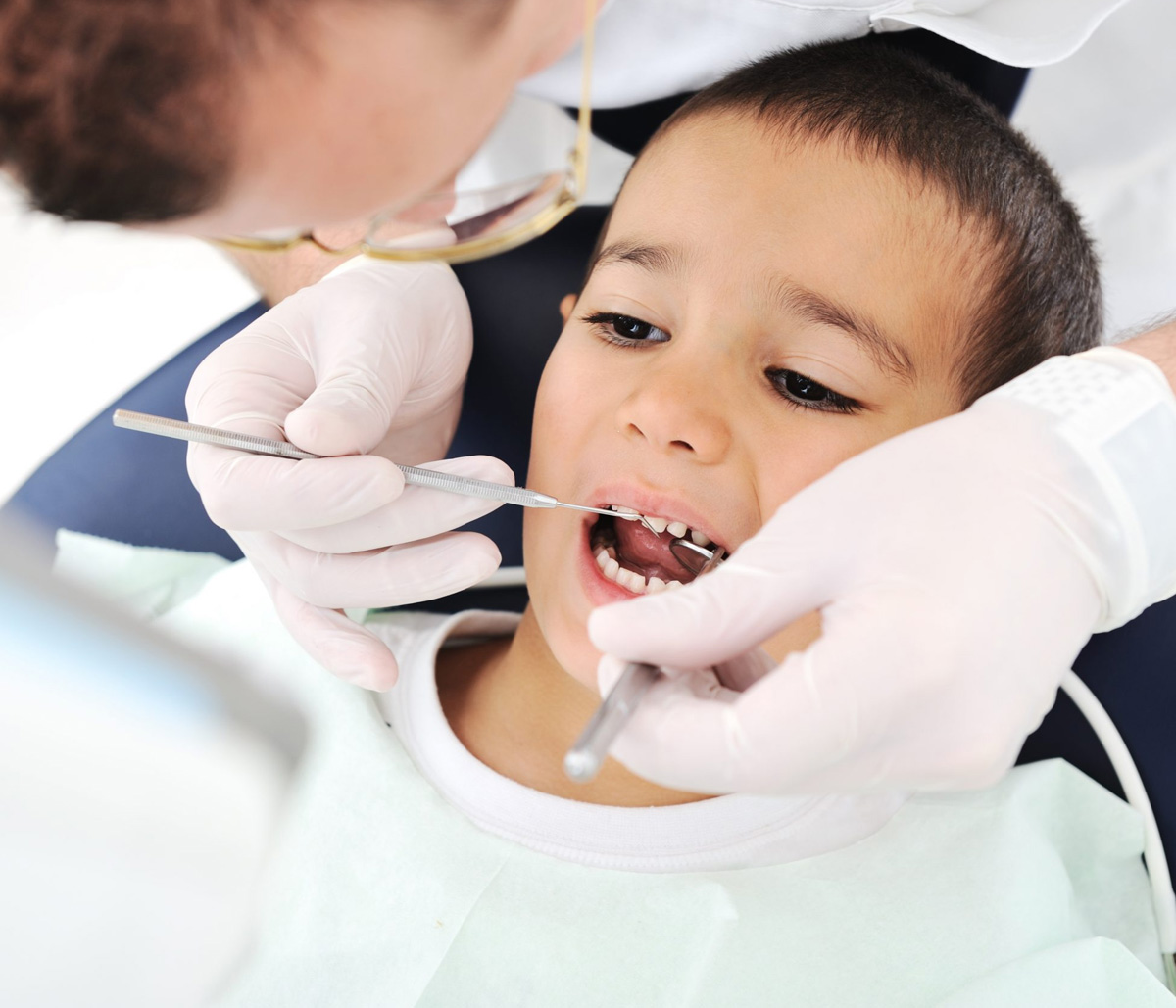
Professional dental instruments called scalers are the only tools that safely break the bond between tartar and tooth enamel. These tools allow our dental team to remove deposits without damaging the surrounding tooth structure. This is why professional cleanings are not optional — they handle what home care physically cannot.
What a Professional Kids Dental Cleaning Actually Removes
A professional cleaning at Triad Pediatric Dentistry goes well beyond what a toothbrush covers. Our dental team uses specialized instruments to address multiple layers of buildup. Parents are often surprised by what accumulates between visits.
Here is what a professional cleaning removes that home care cannot:
- Hardened tartar deposits above and below the gumline
- Surface stains from foods, drinks, and fluoride
- Bacteria embedded within rough tartar surfaces
- Early calculus forming in hidden spots between teeth
- Soft plaque in areas that brushing consistently misses
After tartar removal, our team polishes the tooth surface. Polishing smooths enamel so that new plaque has a harder time sticking. This gives your child a clean foundation that home brushing can then maintain effectively.
Cleanings also give our team a chance to assess overall oral health. We monitor gum tissue, check for early cavities, and evaluate bite development. This full picture helps us catch small problems before they grow into larger concerns.
How Tartar Buildup Harms Your Child’s Gum Health
Tartar is not just a cosmetic issue. The bacteria trapped inside tartar release acids and toxins. These irritate gum tissue and cause inflammation. In children, this early gum irritation can develop into gingivitis if left untreated.
Gingivitis in children presents as redness, swelling, and bleeding during brushing. Many parents dismiss bleeding gums as normal. In fact, healthy gums do not bleed. Bleeding is a warning sign that bacteria are winning the battle at the gumline.
Long-term tartar buildup also weakens the attachment between gums and teeth. This creates pockets where bacteria thrive, and damage deepens. Preventing this progression starts with consistent professional cleanings — not just better brushing at home.
Protecting Clean Teeth After Every Professional Cleaning
Once our team removes tartar and polishes your child’s teeth, the goal is to slow new buildup as much as possible. Home care plays a critical role in this phase. Brushing twice daily with fluoride toothpaste removes soft plaque before it can harden.
Flossing once daily clears plaque from between teeth where brushing never reaches. Children often need help flossing until around age eight to ten. Making it a nightly habit early builds lifelong protective behavior.
Diet choices also directly affect how fast tartar returns. Limiting sugary snacks and replacing juice with water reduces the fuel bacteria need. Water rinses the mouth and dilutes acids after meals. These small changes add up to significant protection over time.
For children at higher risk of cavities, we may recommend Dental Sealants that parents trust to protect vulnerable back molars. Sealants create a barrier that prevents plaque from settling into the deep grooves of molars where tartar often begins forming first.
We recommend professional cleanings every six months for most children. Some children with faster tartar buildup or early gum concerns may benefit from more frequent visits. Our team will guide you based on your child’s specific needs.
Frequently Asked Questions :
1. At what age should my child start getting professional dental cleanings?
We recommend starting professional cleanings as soon as your child’s first teeth appear — typically around age one. Early visits establish healthy habits and allow our team to monitor growth and development from the very beginning.
2. How often does tartar actually build up in children’s mouths?
Plaque can begin mineralizing into tartar within 24 to 72 hours. The rate varies depending on diet, saliva chemistry, and brushing consistency. Most children develop noticeable tartar buildup within three to six months without professional removal.
3. Can electric toothbrushes remove tartar from my child’s teeth?
Electric toothbrushes are more effective than manual brushes at removing soft plaque. However, they still cannot remove hardened tartar. Once calculus forms, only professional dental instruments can safely break it away from the tooth surface.
4. What happens if tartar is left on my child’s teeth for too long?
Untreated tartar buildup leads to gum irritation, gingivitis, and eventually deeper gum damage. It also creates rough surfaces where new bacteria and plaque accumulate faster. Early and consistent professional cleanings prevent these complications from developing.
5. Does a professional cleaning hurt children?
Most children tolerate professional cleanings very comfortably. Our team at Triad Pediatric Dentistry uses child-friendly techniques and takes time to explain each step. Children with sensitive gums may feel mild pressure during tartar removal, but the process is gentle and brief.
Protecting your child’s smile from hardened tartar starts with understanding what home care can and cannot do. Our dental team in Greensboro is here to fill that gap with thorough, compassionate professional cleanings. Book now to schedule your appointment with our team.