TRIAD DENTISTRY (Providing exceptional smiles with comprehensive dental care for adult patients). CLICK HERE


Can Brushing Too Hard Damage a Child’s Teeth?
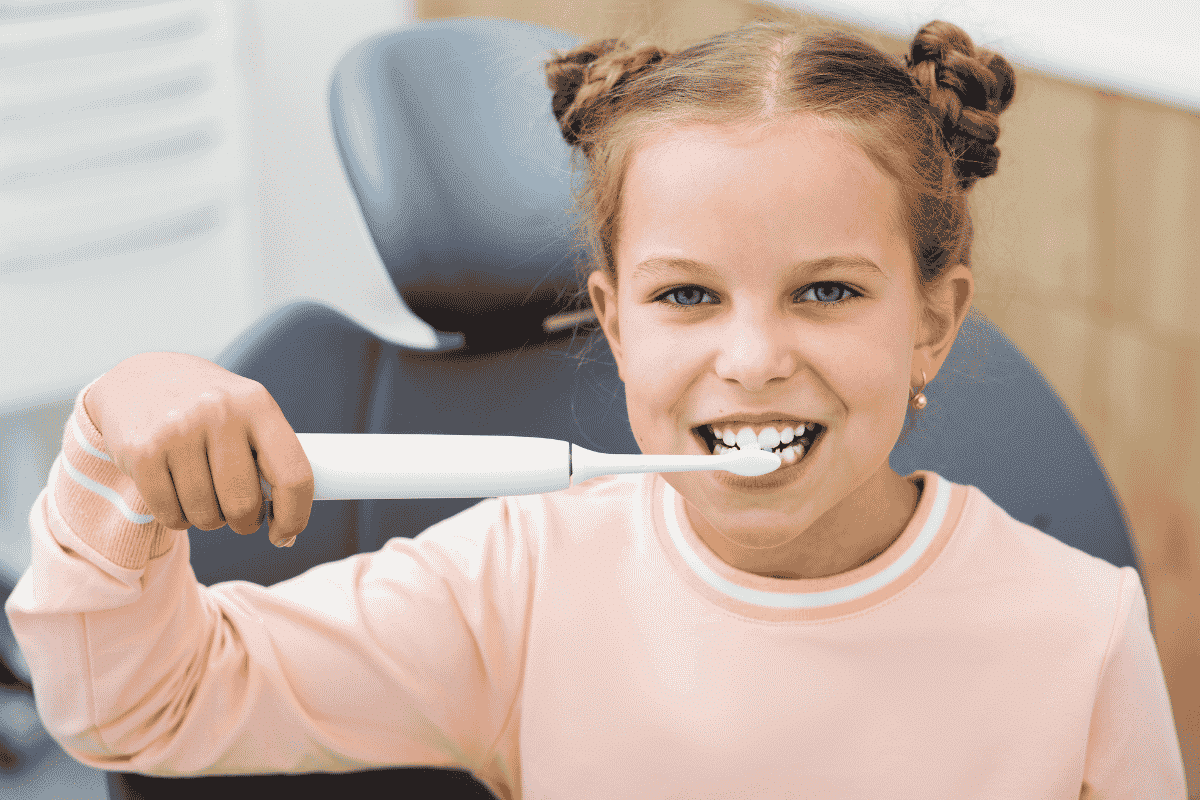
Yes, brushing too hard can damage a child’s teeth and gums over time. Applying excessive pressure may wear down tooth enamel, irritate the gums, and cause sensitivity. Children do not need to scrub their teeth forcefully to remove plaque. A soft-bristled toothbrush, gentle circular motions, and fluoride toothpaste help keep their teeth clean without unnecessary damage.
How Can Brushing Too Hard Affect a Child’s Teeth?
Brushing with too much pressure can cause problems, especially when children use hard bristles or scrub the same areas repeatedly.
Common effects of aggressive brushing include:
- Gum irritation: Excessive pressure can make gums sore, red, or prone to bleeding.
- Enamel wear: Repeated aggressive brushing can contribute to enamel loss, particularly when combined with abrasive toothpaste.
- Tooth sensitivity: Worn enamel or exposed areas near the gumline may make teeth sensitive to cold drinks, hot foods, or sweets.
- Gum recession: Repeated mechanical trauma can contribute to gum recession, exposing sensitive root surfaces.
Baby teeth have thinner enamel than permanent teeth, so children need gentle brushing habits from an early age.
How Can You Tell If Your Child Is Brushing Too Hard?
Watch how your child holds the toothbrush and moves it across the teeth. Pressing firmly, scrubbing rapidly from side to side, or using a toothbrush with flattened bristles may indicate excessive pressure.
Other warning signs include sore gums, persistent redness, bleeding during brushing, or new tooth sensitivity. However, bleeding gums can also indicate gingivitis or another dental problem, so do not automatically blame brushing pressure.
If your child experiences ongoing discomfort, schedule a dental examination to identify the cause.
What Is the Right Way to Brush a Child’s Teeth?
Children can clean their teeth effectively without scrubbing hard. Help them build a gentle routine with these steps:
- Choose a soft-bristled toothbrush with a small head that fits comfortably in your child’s mouth.
- Hold the brush gently and use small, circular motions along the front, back, and chewing surfaces of every tooth.
- Brush for two minutes, twice a day, including before bedtime.
- Use fluoride toothpaste in the recommended age-appropriate amount.
- Replace the toothbrush when the bristles become frayed or approximately every three to four months.
Parents should supervise brushing until children develop the coordination to clean every surface properly, often around age 7 or 8.
Should You Stop Brushing If Your Child’s Gums Bleed?
No. Continue gentle brushing unless a dentist advises otherwise. Plaque buildup can cause gum inflammation and bleeding, so stopping brushing may make the problem worse.
Use a soft toothbrush and avoid pressing against sore areas. If bleeding continues, occurs frequently, or comes with swelling or pain, arrange a dental visit.
Frequently Asked Questions :
Can brushing too hard damage baby teeth?
Yes. Aggressive brushing can irritate the gums and contribute to enamel wear over time. Gentle brushing with a soft toothbrush protects developing teeth.
Should children use a hard or soft toothbrush?
Children should use a soft-bristled toothbrush. Hard bristles and excessive pressure can irritate the gums without providing better cleaning.
How can I teach my child not to brush too hard?
Show your child how to hold the brush gently and use small circular movements. Supervise brushing, demonstrate the technique, and replace worn toothbrushes regularly.
Help Your Child Build Healthier Brushing Habits
The right brushing technique can protect your child’s teeth and gums for years to come. If you notice bleeding, sensitivity, or discomfort, a dental professional can help identify the cause and recommend appropriate care.
Visit our dental clinic in Greensboro to support your child’s oral health. Triad Pediatric Dentistry is here to help families build healthy dental habits from the start. Visit our website to learn more and arrange your child’s next dental visit.