TRIAD DENTISTRY (Providing exceptional smiles with comprehensive dental care for adult patients). CLICK HERE


Can Fruit Juice Cause Tooth Decay in Children?

Yes, fruit juice can cause tooth decay in children, even the varieties labeled “100% natural” or “no sugar added.” The sugar content and acidity in juice create the perfect environment for cavities to form, especially when a child sips it slowly throughout the day or drinks it right before bed. Parents often assume juice is a healthy swap for soda, but from a dental standpoint, the two drinks can affect young teeth in surprisingly similar ways.
If your child drinks juice regularly, this doesn’t mean you need to eliminate it completely. It simply means understanding how it interacts with their teeth so you can make smarter choices about when, how much, and in what way it’s offered.
Why Juice Is Tougher on Teeth Than Most Parents Realize
Every time a child drinks juice, the natural sugars mix with bacteria already living in their mouth. Those bacteria feed on sugar and release acid as a byproduct. That acid softens tooth enamel, and repeated acid exposure over weeks and months wears the enamel down, opening the door to cavities.
Juice adds a second layer to this problem because it’s acidic on its own, separate from the sugar. Citrus juices like orange or grapefruit carry a naturally low pH, meaning they attack enamel directly, even before bacteria get involved. So a child’s teeth are dealing with a double hit: sugar feeding bacteria and acid softening enamel at the same time.
Natural Sugar Still Behaves Like Sugar
A common misconception is that sugar from fruit doesn’t count the same way processed sugar does. Unfortunately, a tooth cannot tell the difference. Whether the sugar comes from an apple, a candy bar, or a carton of apple juice, it reacts with mouth bacteria the exact same way. The concentrated sugar in juice is actually more troubling than sugar in whole fruit because juice lacks the fiber that slows sugar absorption and encourages saliva production, which helps rinse the mouth naturally.
Frequency and Timing Matter More Than the Juice Itself
A child who drinks a small cup of juice with breakfast and then moves on to water for the rest of the day faces a very different risk level than a child who sips juice from a cup or bottle across several hours. Constant sipping keeps the mouth in an acidic state almost continuously, giving enamel no real chance to recover between exposures. Saliva naturally works to neutralize acid and rebuild minerals in enamel, but it needs breaks from sugar and acid to do its job effectively.
Bedtime is another high-risk window. Saliva production drops significantly during sleep, so any juice left on the teeth overnight sits there with little natural defense. This is part of why pediatric dentists so often ask about bottle habits and nighttime routines during checkups.
Signs Parents Should Watch For
Early tooth decay isn’t always obvious, but a few warning signs are worth paying attention to:
- White or chalky spots near the gumline, often an early indicator of enamel demineralization
- Brown or dark spots on baby teeth
- Sensitivity when your child eats something cold or sweet
- Visible pitting or rough texture on the tooth surface
- Complaints of discomfort while chewing
Catching these signs early makes treatment simpler and far less stressful for both the child and the parent.
Practical Ways to Keep Juice From Becoming a Problem
Juice doesn’t have to disappear from your child’s routine. A few adjustments go a long way in protecting their smile.
Offer juice with meals rather than between them, since saliva flow increases during eating and helps buffer acid. Stick to small portions, around four to six ounces a day for toddlers and young children, and dilute it with water when possible. Skip the sippy cup for extended sipping sessions and use a straw instead, which limits contact between the liquid and the front teeth. Rinse with water afterward, and always brush before bedtime rather than sending a child to sleep with a cup in hand.
Whole fruit remains a better option nutritionally and dentally, since chewing stimulates saliva and the fiber slows sugar release.
Ready for a Smile Checkup? Let’s Make It Fun
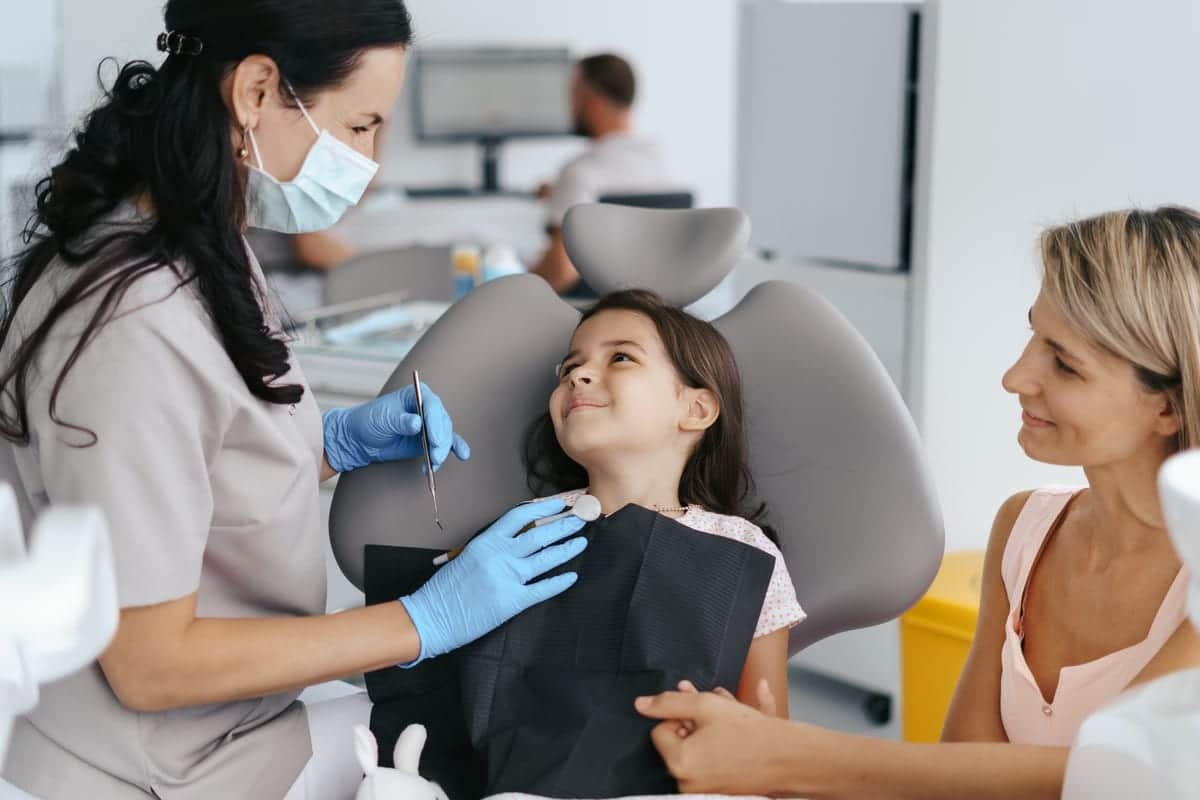
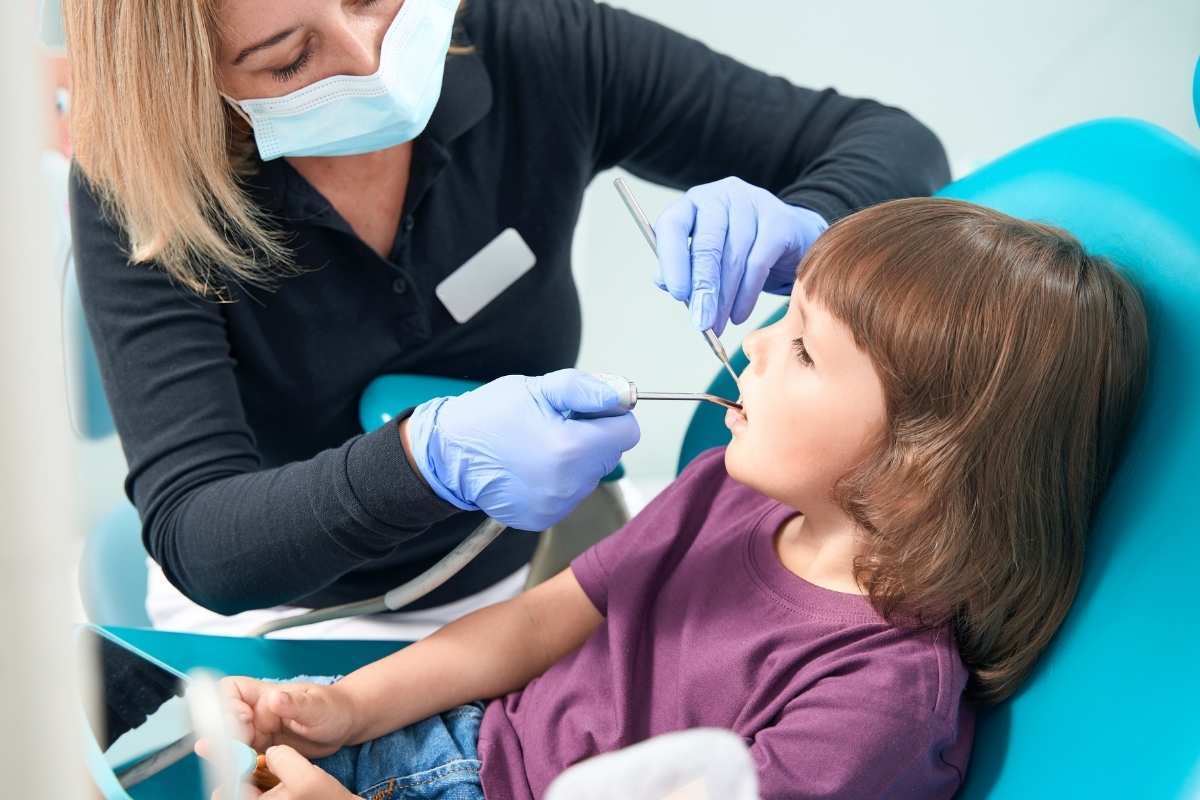
Kids don’t need to give up juice to have a healthy, cavity-free smile. They just need a little guidance and a dental team that knows how to make checkups feel easy instead of scary. Visit our dental clinic and let our friendly team give your child’s teeth the attention they deserve. Our Greensboro families trust us because we take the time to explain, educate, and make every visit something kids actually look forward to. Book a visit with Triad Pediatric Dentistry today and give your child’s smile the head start it deserves.
Frequently Asked Questions :
1. Is 100% fruit juice safer for teeth than juice with added sugar?
It’s better than juice with added sugar, but it still contains a high concentration of natural sugar and acid. Moderation still matters even with the purest juice on the shelf.
2. What age should juice be introduced?
Most pediatric guidelines suggest avoiding juice entirely before age one and limiting it carefully in toddlers and young children afterward.
3. Does diluting juice with water actually help?
Yes. Diluting reduces both the sugar concentration and the acidity, lowering the overall impact on enamel while still giving your child some flavor.
4. Can drinking juice through a straw really make a difference?
It can. A straw placed toward the back of the mouth reduces how much liquid coats the front teeth, which are often the most visible and vulnerable to staining and decay.
5. How often should my child see a dentist if they drink juice regularly?
Routine checkups every six months allow a dentist to catch early enamel changes before they turn into cavities.