TRIAD DENTISTRY (Providing exceptional smiles with comprehensive dental care for adult patients). CLICK HERE


Do Cavities in Baby Teeth Really Need to Be Filled?
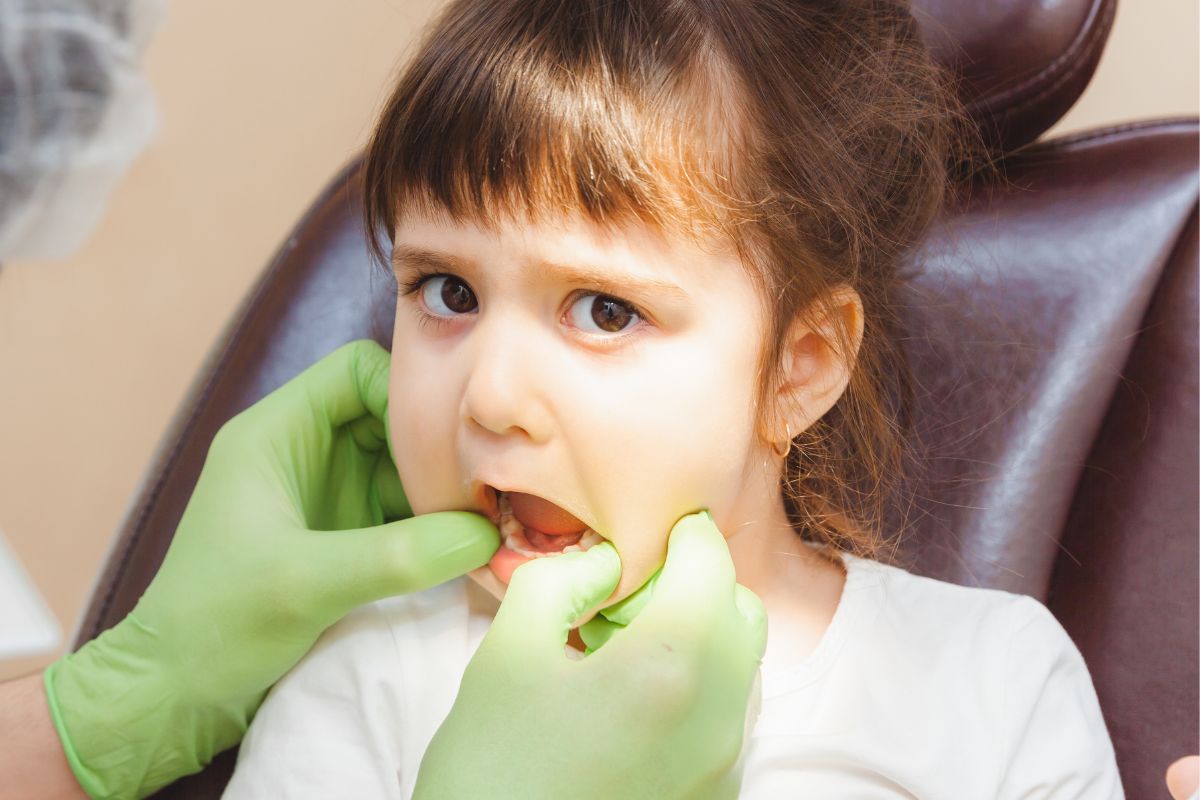
Many parents are surprised when they hear that their child has a cavity in a baby tooth. Since baby teeth eventually fall out, it is common to wonder whether treatment is truly necessary. Some parents may even assume that it is better to wait for the tooth to be replaced by a permanent one. However, baby teeth play a much more important role in a child’s oral health than many people realize.
Cavities in baby teeth should never be ignored. Left untreated, they can affect a child’s comfort, ability to eat, speech development, and even the health of the permanent teeth developing underneath. Understanding why baby teeth matter can help parents make informed decisions about their child’s dental health. We will get to know why cavities in baby teeth deserve attention and how early intervention can help support a healthy smile.
Why Are Baby Teeth Important?
Although baby teeth are temporary, they serve several important functions during childhood.
They Help Children Eat Properly
Healthy baby teeth allow children to chew food comfortably and efficiently. When cavities cause pain or sensitivity, children may avoid certain foods, potentially affecting their nutrition. Early evaluation and pediatric dental treatment can help protect both primary and permanent teeth while supporting a child’s comfort and development.
They Support Speech Development
Baby teeth help children form words and pronounce sounds correctly. Premature tooth loss caused by severe decay can sometimes impact speech development.
They Hold Space for Permanent Teeth
One of the most important roles of baby teeth is maintaining space for the permanent teeth that will eventually emerge. If a baby tooth is lost too early due to decay, neighboring teeth may shift into the space and create alignment problems later on.
What Happens If a Cavity in a Baby Tooth Is Left Untreated?
The Decay Can Continue to Spread
Cavities do not stop progressing on their own. What may begin as a small area of decay can gradually become larger and affect deeper layers of the tooth.
As the cavity grows, it can become more difficult to manage and may lead to additional complications.
Pain and Discomfort May Develop
Many children experience little to no discomfort during the early stages of a cavity. However, as decay advances, it can reach the inner portions of the tooth and cause significant pain or sensitivity.
This discomfort can interfere with eating, sleeping, and daily activities.
Infection Can Occur
Untreated cavities may eventually allow bacteria to reach the dental pulp, which contains nerves and blood vessels. This can increase the risk of infection and swelling, potentially affecting a child’s overall well-being.
It Can Affect Permanent Teeth
The permanent teeth develop beneath the baby teeth. In some situations, severe decay or infection in a baby tooth may impact the developing permanent tooth underneath.
Are All Cavities in Baby Teeth Treated the Same Way?
The Size and Location Matter
Not every cavity is identical. Factors such as the size of the cavity, the tooth involved, and the child’s age all play a role in determining the most appropriate approach.
Early Detection Makes a Difference
When cavities are identified early, it is often easier to manage the problem before it becomes more extensive. This is one reason why routine dental visits are important during childhood.
Every Child Has Unique Needs
A child’s overall oral health, risk factors, and stage of development should always be considered when evaluating dental concerns.
How Can Parents Help Prevent Cavities in Baby Teeth?
Encourage Good Brushing Habits
Children should brush their teeth twice a day using age-appropriate oral hygiene practices. Parents should supervise brushing until children can effectively clean their teeth on their own.
Limit Sugary Foods and Drinks
Frequent exposure to sugary snacks and beverages can increase the risk of tooth decay. Encouraging healthier alternatives can support stronger teeth.
Promote Regular Dental Visits
Routine dental examinations help identify concerns early and allow parents to receive guidance on maintaining their child’s oral health.
Establish Healthy Habits Early
Children who develop positive oral hygiene habits at a young age are more likely to maintain those habits as they grow older.
When Should Parents Be Concerned About a Cavity?
Visible Holes or Dark Spots
Changes in the appearance of a tooth may indicate the presence of decay and should be evaluated by a dental professional.
Complaints of Tooth Pain
If a child reports discomfort when eating, drinking, or brushing, it is important to investigate the cause promptly.
Sensitivity to Hot or Cold Foods
Increased sensitivity may be an early sign that a cavity is affecting deeper layers of the tooth.
Many parents seeking guidance from a pediatric dentist in Greensboro are surprised to learn how important baby teeth are for long-term oral health.
Give Your Child’s Smile the Attention It Deserves
Baby teeth may not last forever, but they play a critical role in your child’s oral health and development. Cavities that are left untreated can lead to discomfort, infection, and complications that may affect future dental health. By addressing concerns early and encouraging healthy habits, parents can help their children maintain strong, healthy smiles throughout childhood and beyond.
Protect Your Child’s Smile with Trusted Care at Triad Pediatric Dentistry
Every healthy smile begins with proactive care and informed decisions. If you have questions about cavities in baby teeth or want guidance on supporting your child’s oral health, the experienced team at Triad Pediatric Dentistry is here to help. Our dental clinic is committed to providing compassionate, patient-centered care and helping families make confident decisions about their children’s dental health. Schedule an appointment with Triad Pediatric Dentistry today and let us help your child build a strong foundation for a lifetime of healthy smiles.