TRIAD DENTISTRY (Providing exceptional smiles with comprehensive dental care for adult patients). CLICK HERE


How to Help a Child Who Is Afraid of the Dentist
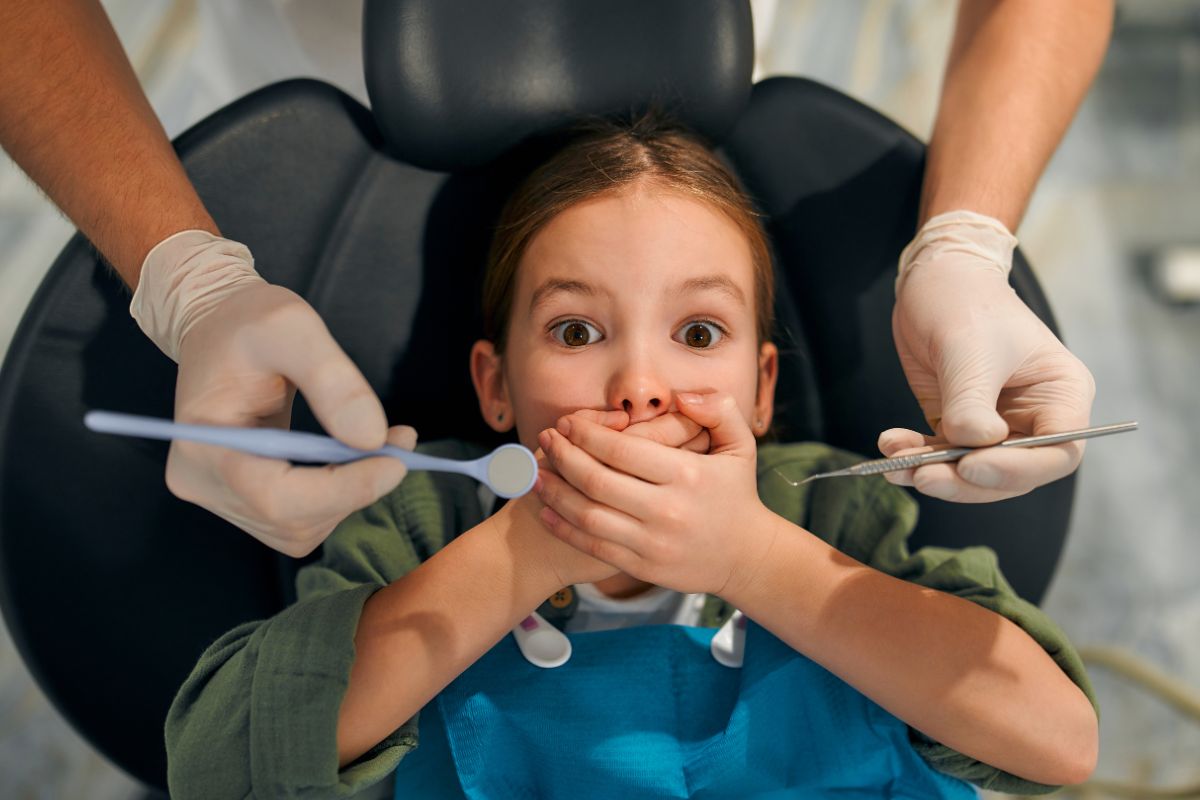
Many children feel nervous about visiting the dentist, especially if they do not know what to expect. Fear of unfamiliar sounds, new environments, or worries about discomfort can make dental visits stressful for both children and parents. However, helping a child feel calm and comfortable at the dentist is possible with patience, preparation, and positive encouragement.
Parents seeking guidance from a pediatric dentist often want to know how to reduce their children’s dental anxiety and create better experiences for their children. A supportive and understanding approach can help children build confidence and develop healthier attitudes toward dental care that last into adulthood.
Why Children Become Afraid of the Dentist
Dental fear in children can happen for many reasons. Some children may fear the unknown, while others may react to stories they hear from siblings, friends, or the media. Even a previous uncomfortable experience can increase anxiety during future visits.
Children are also naturally sensitive to new environments. Bright lights, unfamiliar sounds, and dental tools may feel overwhelming if they are not introduced in a calm and reassuring way.
Common Signs of Dental Anxiety in Children
Parents may notice several signs that suggest a child is nervous about dental visits, including:
- Crying before appointments
- Trouble sleeping the night before
- Refusing to sit in the dental chair
- Complaining of stomachaches before visits
- Becoming unusually quiet or clingy
Recognizing these signs early can help parents respond with patience and support instead of frustration.
Start Talking About Dental Visits Early
One of the best ways to reduce fear is to talk positively about dental visits before the appointment. Children often respond to the emotions and language used by adults around them.
Instead of using words that may sound scary, try explaining dental visits in a simple and encouraging way. Focus on the idea that the dentist helps keep teeth healthy and strong.
Avoid Using Fear-Based Language
Parents should avoid phrases like:
- “It won’t hurt.”
- “Don’t be scared.”
- “If you don’t brush, the dentist will be upset.”
Even well-meaning comments can unintentionally increase anxiety by making children think something bad may happen.
Read Books or Watch Kid-Friendly Videos
Children often feel more comfortable when they understand what to expect. Reading books or watching educational videos about dental visits can make the experience feel familiar and less intimidating.
Role-playing at home can also help. Pretending to count teeth or practicing opening wide can make the idea of a dental visit feel fun and approachable.
Choose Appointment Times Carefully
Children tend to do better when they are well-rested and not hungry. Scheduling appointments earlier in the day may help younger children feel calmer and more cooperative.
Avoid scheduling visits during nap times or after long school days when children may already feel tired or overwhelmed.
Stay Calm and Supportive During the Visit
Children often mirror their parents’ emotions. If a parent appears anxious or tense, children may become more nervous as well.
A calm and reassuring attitude can help children feel safer. Offering praise for small moments of cooperation can also build confidence during the appointment.
Positive Reinforcement Makes a Difference
Simple encouragement can help children feel proud of their efforts. Parents can praise behaviors such as:
- Sitting calmly in the chair
- Following instructions
- Opening their mouth when asked
- Asking questions about the visit
Positive reinforcement helps create healthier associations with dental care over time.
Build Trust Through Consistency
Regular dental visits help children become more familiar with the environment and routines. Consistency often reduces fear because children begin to understand what to expect during each appointment.
Our trusted pediatric dentist in Greensboro can help children gradually feel more comfortable through patience, communication, and a child-friendly approach focused on long-term oral health.
Help Children Feel Involved
Giving children small choices during the process can help them feel more in control. For example, parents may let children choose their toothbrush, wear a favorite shirt, or bring a comforting toy to the appointment.
Feeling involved can reduce anxiety and make the experience feel less overwhelming.
Avoid Passing Along Negative Experiences
Many adults experienced dental fear as children and may unintentionally pass those fears to their kids. Try not to share negative dental stories or discuss your own anxiety around children.
Instead, focus on positive experiences and emphasize the importance of keeping teeth healthy.
Patience Is Important During the Process
Helping a child overcome fear does not happen overnight. Some children become comfortable quickly, while others need more time and reassurance.
Parents who remain patient and supportive can help children gradually build trust and confidence. Positive dental experiences during childhood often lead to healthier oral habits and less anxiety later in life.
Help Your Child Feel More Comfortable About Dental Visits With Triad Pediatric Dentistry
Creating positive dental experiences early in life can help children feel more confident about caring for their smiles as they grow. At Triad Pediatric Dentistry, Dr. Sona Isharani and our team are committed to providing a patient-centered and supportive environment where children feel safe, comfortable, and understood. Our dental clinic focuses on helping families build healthy oral habits while reducing fear and anxiety through compassionate care and clear communication. Schedule an appointment today, and our dental team will help your child feel more confident about visiting the pediatric dentist.
FAQs
How can I prepare my child for a dental visit?
Parents can help by talking positively about the appointment, reading kid-friendly dental books, and explaining what to expect in simple and reassuring language.
What should I avoid saying before a dental appointment?
Avoid using fear-based phrases such as “It won’t hurt” or “Don’t be scared.” These statements can unintentionally make children more anxious about the visit.
At what age should children start visiting the dentist?
Children should generally visit the dentist by their first birthday or within 6 months of their first tooth appearing.
How do pediatric dentists help anxious children?
A pediatric dentist uses a child-friendly and patient-centered approach to help children feel safe, comfortable, and supported during dental visits.
Should parents stay with their child during the appointment?
Many children feel more comfortable when a parent is nearby, especially during early visits. However, every child responds differently depending on their comfort level.
Will regular dental visits help reduce my child’s fear?
Yes, consistent dental visits can help children become familiar with the environment and build confidence over time, making future appointments less stressful.
Related Articles
By Triad Pediatric Dentistry