
TRIAD DENTISTRY (Providing exceptional smiles with comprehensive dental care for adult patients). CLICK HERE


When To Take Your Child to an Emergency Pediatric Dentist
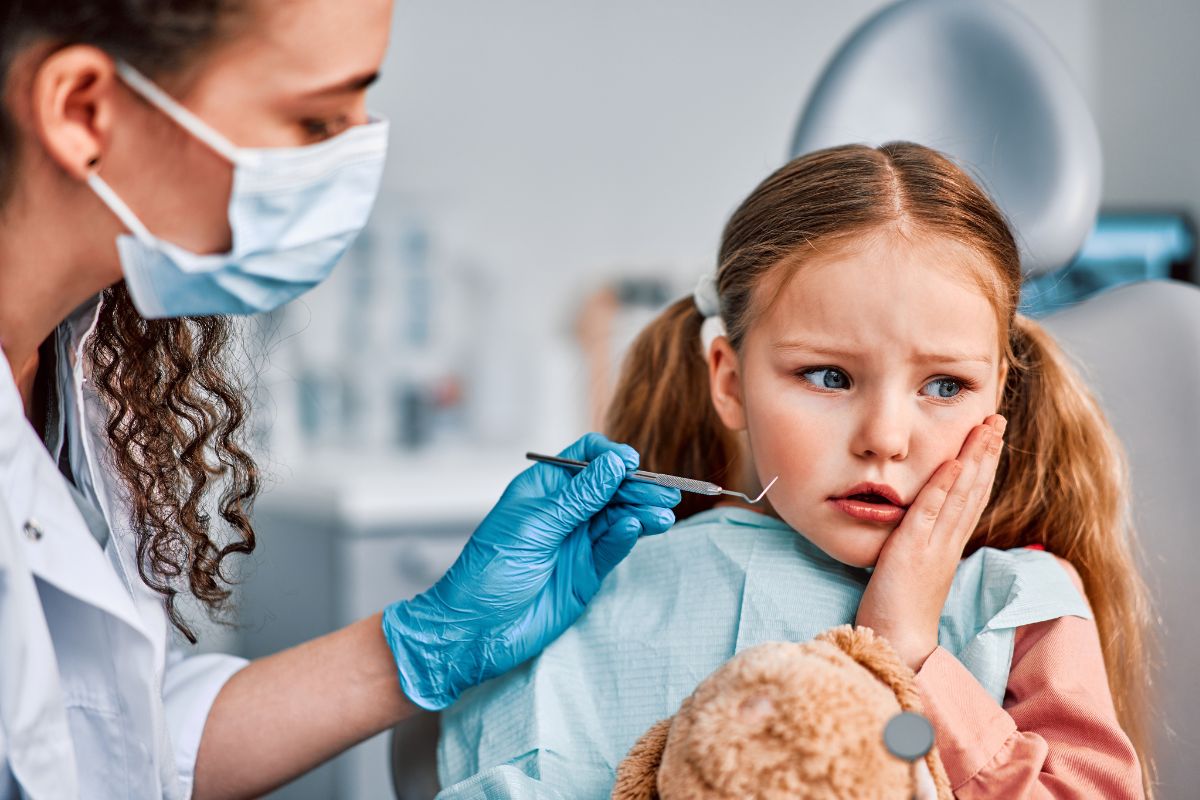
Children are active, curious, and always on the move—which means dental accidents can happen when you least expect them. As a parent, it can be difficult to know when tooth pain, swollen gums, or an unexpected injury is something you can monitor at home… or when it’s a true dental emergency that needs immediate attention. Understanding these moments is essential for keeping your child safe and preventing long-term dental issues.
Families often search for guidance when faced with sudden dental problems, and that’s why knowing when to call an emergency dentist in Greensboro is so important. When you know the right steps to take, you can act quickly and protect your child’s smile, comfort, and overall well-being.
What Counts as a Dental Emergency for Children?
Not every toothache or minor discomfort requires urgent care, but certain symptoms should raise concern. Dental emergencies usually involve pain, swelling, bleeding, or trauma that could affect your child’s tooth, gums, or jaw. Children may not always be able to express exactly what they feel, so paying attention to sudden changes helps you recognize when immediate help is needed.
Situations involving uncontrolled bleeding, severe pain, or visible damage to the tooth often require prompt attention from an emergency dentist. In many cases, acting quickly can prevent complications and help preserve the health of your child’s smile.
1. Severe Tooth Pain That Doesn’t Improve
Tooth pain is one of the most common reasons parents seek emergency dental care. A mild, occasional ache can sometimes wait, but severe or persistent pain is a sign of something deeper. Children may experience difficulty eating, sleeping, or concentrating when a tooth hurts badly.
Sudden, intense pain may be caused by issues such as deep cavities, inflammation, or trauma. When pain does not respond to at-home comfort measures, seeking help from an emergency dentist in Greensboro ensures your child’s discomfort is evaluated promptly.
2. A Knocked-Out Tooth
A knocked-out tooth is one of the clearest dental emergencies. With children, this situation can involve either a baby tooth or a permanent tooth, and understanding the difference matters.
-
Baby teeth: These cannot be placed back into the mouth, but a dentist should examine the area to ensure the surrounding gums and developing permanent teeth are safe.
-
Permanent teeth: Time is critical. The sooner you get dental help, the better the chance of saving the tooth.
Initiating urgent care from an emergency pediatric dentist is the best way to protect the surrounding tissues and reduce the risk of long-term complications.
3. Broken, Cracked, or Chipped Teeth
Children can easily fracture a tooth during sports, falls, or rough play. Even a small crack can expose sensitive inner layers of the tooth, leading to pain and infection if ignored.
A cracked or broken tooth often requires immediate attention—especially if your child experiences sharp pain, sensitivity, or visible tooth fragments missing. While a small chip may seem harmless, it’s always better to have a dental professional assess the damage.
4. Facial Swelling or Gum Swelling
Swelling around the mouth, jaw, or gums can indicate infection or irritation. Unlike mild gum irritation from teething or brushing too hard, significant swelling usually requires urgent evaluation.
Swelling may be accompanied by:
-
Fever
-
Difficulty swallowing
-
Pain when biting
-
Sensitivity to touch
If swelling occurs unexpectedly, contacting a pediatric emergency dentist helps prevent the situation from progressing into something more serious.
5. Soft Tissue Injuries Inside the Mouth
Children frequently bite their lips, cheeks, or tongue, especially during sports or accidental falls. Most minor cuts heal on their own, but deeper wounds or continuous bleeding require professional attention.
Signs it’s time to seek urgent help include:
-
Bleeding that does not stop after applying pressure
-
Large or deep cuts
-
Painful wounds affecting eating or speaking
An emergency dentist can evaluate the injury and ensure proper healing.
6. Sudden Sensitivity or Pain When Chewing
If your child suddenly avoids chewing, complains of sharp sensitivity, or shows discomfort when drinking hot or cold liquids, this could signal a hidden issue. Sensitivity that appears out of nowhere—especially following an injury—should not be ignored.
Why Acting Quickly Matters
Children’s teeth and jaws are still growing, making fast action essential. Prompt care:
-
Prevents small problems from becoming major ones
-
Reduces pain and discomfort
-
Protects developing permanent teeth
-
Helps maintain proper oral development
Even if you’re unsure whether the situation qualifies as an emergency, reaching out for professional guidance is always the safest option.
Your Child’s Comfort and Safety Should Always Come First
When your child experiences sudden dental pain or an unexpected injury, knowing when to seek help makes all the difference. If you ever feel uncertain or worried, our team is here to support your child with compassionate care and expert guidance. At Triad Pediatric Dentistry, we focus on your child’s well-being, your peace of mind, and helping you navigate urgent dental situations with confidence. Schedule an appointment with us and let us help you protect your child’s smile.